The Art of Collecting Rare Prints
Nov 09, 2024

The Art of Collecting Rare Prints
A Guide for Enthusiasts and New Collectors

Rare art is highly sought after by collectors for its uniqueness, exclusivity, and emotional connection. When it comes to rare art, especially limited edition prints that artists like P. Buckley Moss have used extensively, several important factors determine the rarity and value of each piece.


What Makes Art Rare?

The limited number of prints often determines a rarity in art in an edition and the artwork’s condition. Once a print edition sells out, it becomes rare, increasing its value to collectors. However, to retain this value, the artwork must remain in mint condition, with vibrant colors, no fading, and professionally preserved framing. Any exposure to direct light or use of non-acid-free materials can diminish its value, reducing the piece’s appeal as a rare item.

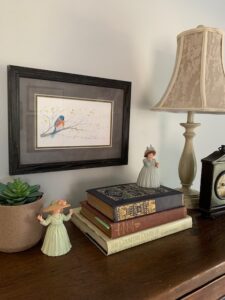
framed artwork
Framing increases the value

Condition is Key

For a rare print to maintain its high value, it must meet strict condition criteria:

  • Original Colors: Colors should remain true to the artist’s vision. Fading due to light exposure is common in older prints, especially lithographs, but modern giclée prints are more durable.
  • Professional Framing: UV-protected glass and acid-free materials help preserve the print, maintaining its rarity value.
  • Secondary Market Reports: For P. Buckley Moss prints, any sale above the original issue price can update the artwork’s value, provided it is reported to the artist’s galleries. Without these reports, values may not reflect current market interest.
faded artwork example
Faded Artwork

P. Buckley Moss: A Case Study in Rare Art
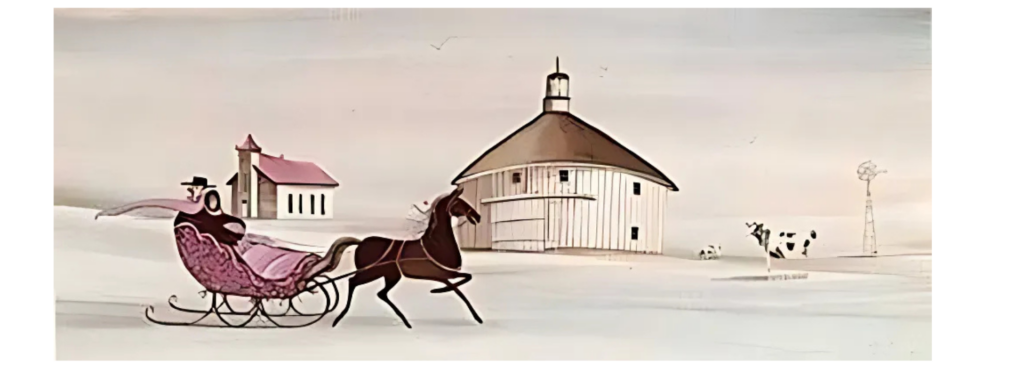
  1. Buckley Moss’s art has unique appeal due to its themes and family-oriented subject matter. Her limited editions are sought after for their quality and emotional resonance.
  2. For collectors, purchasing a rare Moss piece often means more than an investment—it’s a connection to places, family memories, and personal stories that collectors love and want to be reminded of when hanging specific artworks in their homes.

For those seeking to invest, consulting with a Moss dealer familiar with the secondary market and the original state of the artwork is essential. Faded art, while still beautiful, is not considered a mint-condition collectible.

Canada Goose Gallery
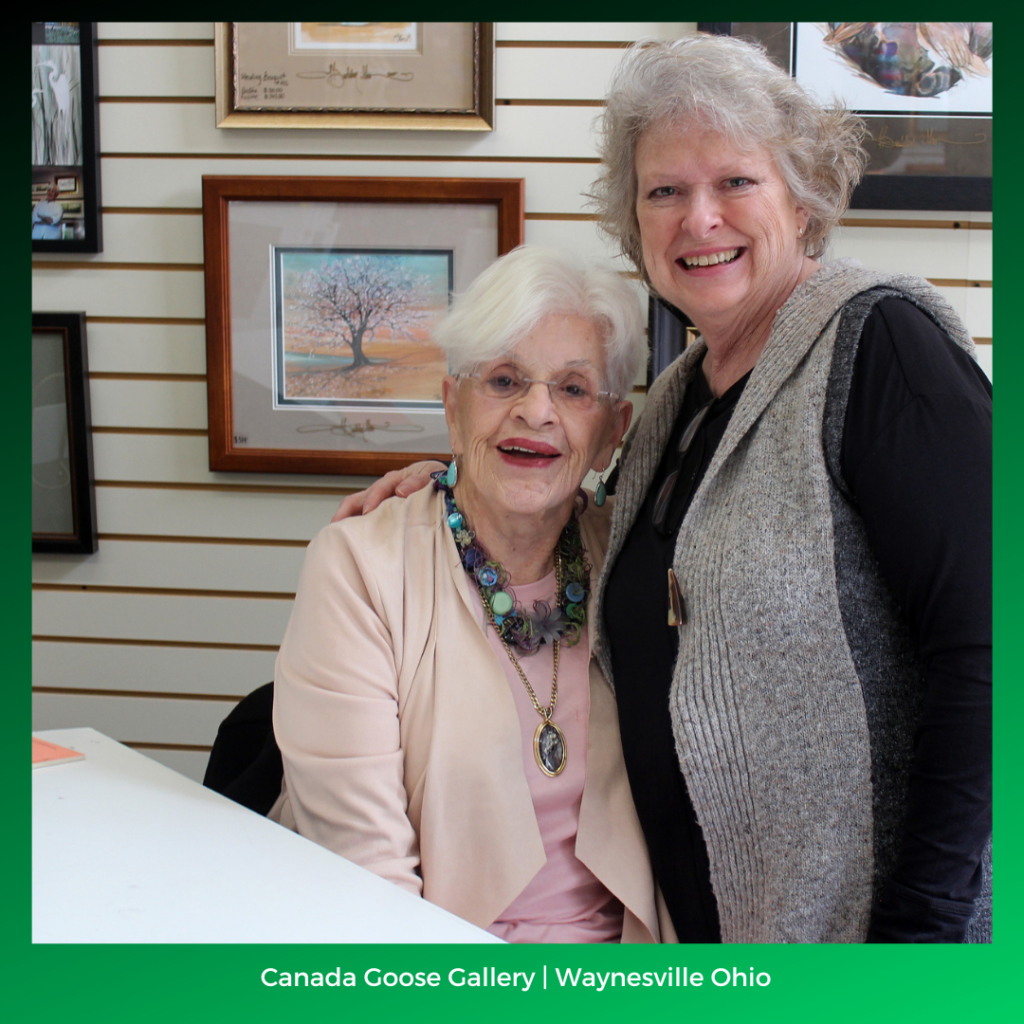
Laura DeRamus from Canada Goose Gallery in Ohio has collected P. Buckley Moss’s art for over 30 years. She was one of the first dealers; today, she is one of the few who carry Pat Moss’s artwork. 

Artist Proofs: The Jewel of Rare Editions

In rare editions, artist proofs are often seen as the most valuable. Limited to small quantities, typically around 25 pieces, artist proofs are used by the artist to approve the edition before release and are marked distinctly from the regular prints. These proofs are valued higher than regular prints and can offer a more exclusive option for collectors looking for a premium edition piece.

For new art buyers who are drawn to certain limited edition pieces that are artist-proof, owning such exclusive pieces makes the display of such artwork more valuable and fun! Art should be a fun experience just as much as it is an investment.


Tips for Buying and Collecting Rare Art
  1. Buy What You Love: While investment is appealing, buy pieces that resonate with you personally.
  2. Condition Matters: A faded or damaged print will have less value. When buying a secondary market print, look for professional framing and preservation.
  3. Consult an Expert: Dealers familiar with the secondary market can help you find valuable pieces and offer insight into condition and value.

buy what you love. framed artwork


If you’re looking for rare pieces or just inspiration, browse the extensive collection at Canada Goose Gallery by our rare category to find a Moss print that tells a story close to your heart.


FAQ on Rare Art
  1. What qualifies a piece of art as “rare”? A piece of art becomes rare when its edition sells out and limited prints are available on the market. Condition, popularity, and the demand for the artist also influence rarity.
  2. Does the condition of a rare print affect its value? Yes, the condition is crucial. Mint-condition prints, with colors intact, UV-protected framing, and no exposure to harmful elements, retain a higher value than those that are faded or poorly preserved.
  3. What is the secondary market, and how does it affect the value of rare art? The secondary market includes resales of art pieces, often at galleries or auctions. When rare prints sell for higher than the original price on this market, it can increase the overall value if these sales are reported.
  4. Are faded prints still considered rare? While they may still be rare, faded prints are generally valued less because they do not preserve the original colors intended by the artist. Faded prints are often appreciated more for their aesthetic than investment value.
  5. What is an artist proof, and why is it valuable? An artist proof is a special set of prints used by the artist to approve an edition before it’s released. With typically only 25 proofs, they are highly valued for their exclusivity and direct connection to the artist’s creative process.

    Canada Goose Gallery in Waynesville, Ohio. Learn More


what is an etching blog
Nov 04, 2024

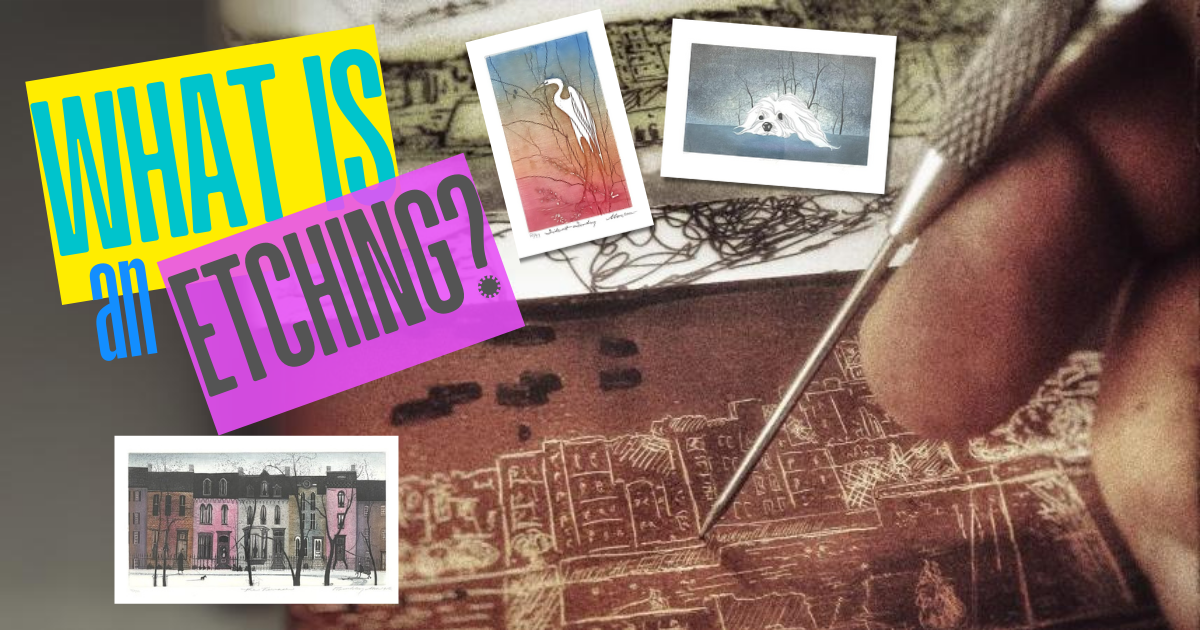
What is an Etching?

Art has a unique way of capturing emotions, stories, and history, and among its many forms, etchings are a timeless technique combining craftsmanship with artistic expression. In this article, we will explore the etching process, delve into the distinct qualities that make etchings unique, and address frequently asked questions about this fascinating art form. We will also highlight the exceptional work of P. Buckley Moss, whose etchings are exclusively featured at the Canada Goose Gallery.

Definition of Etching

Etching is a printmaking technique that involves creating an image on a metal plate using acid or other corrosive substances. It is a versatile and widely used intaglio process that allows artists to achieve a range of textures, tones, and fine details in their prints.

The Etching Process

Materials Used

Etching requires specific materials, including metal plates (commonly copper, zinc, or steel), etching needles, acid, and ink. Each of these components plays a crucial role in creating an etching.

Step-by-Step Process
  • Preparing the Plate: The artist selects a metal plate and meticulously cleans and polishes it to ensure a smooth surface for etching.
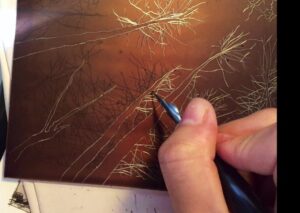
    Need from etching process
  • Creating the Design: A ground, typically made of a waxy substance, is applied to the plate. The artist draws their design onto the ground using etching needles, exposing the metal beneath.
  • Etching the Plate: The prepared plate is then immersed in acid, which eats away at the exposed metal, creating grooves in the design. The depth of these grooves can vary, allowing for different line qualities.
  • Inking the Plate: After etching, the artist applies ink over the plate, ensuring it fills the grooves created during the etching process. The excess ink is wiped off the surface, leaving ink only in the etched lines.
  • Printing: The plate is placed on a printing press, and dampened paper is laid over it. The press applies pressure, transferring the ink from the plate to the paper, resulting in a printed image.
Final Steps & History
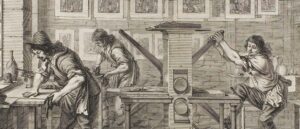
Long history of etching process
Long history of the etching process
  1. Once the print is made, the plate is cleaned, and the artist may choose to create multiple prints from the same plate, although each print can exhibit unique characteristics due to variations in ink application and press pressure.
  2. Etching has a long history and has been used by many renowned artists throughout the centuries, including Rembrandt, Francisco Goya, and James McNeill Whistler. Today, etching remains a popular printmaking technique, appreciated for capturing fine details and creating expressive and intricate prints.

Why Are Etchings in Art So Special?

Etchings possess a unique charm and significance that set them apart from other art forms. Here are some of the unique qualities that make etchings special:

1. Rich Textural Quality

Etchings offer a distinct textural depth that captures the viewer’s attention. The etched grooves create a tactile quality that invites interaction, making each piece feel alive and dynamic. This tactile nature allows collectors to appreciate the visual aesthetics and craftsmanship.

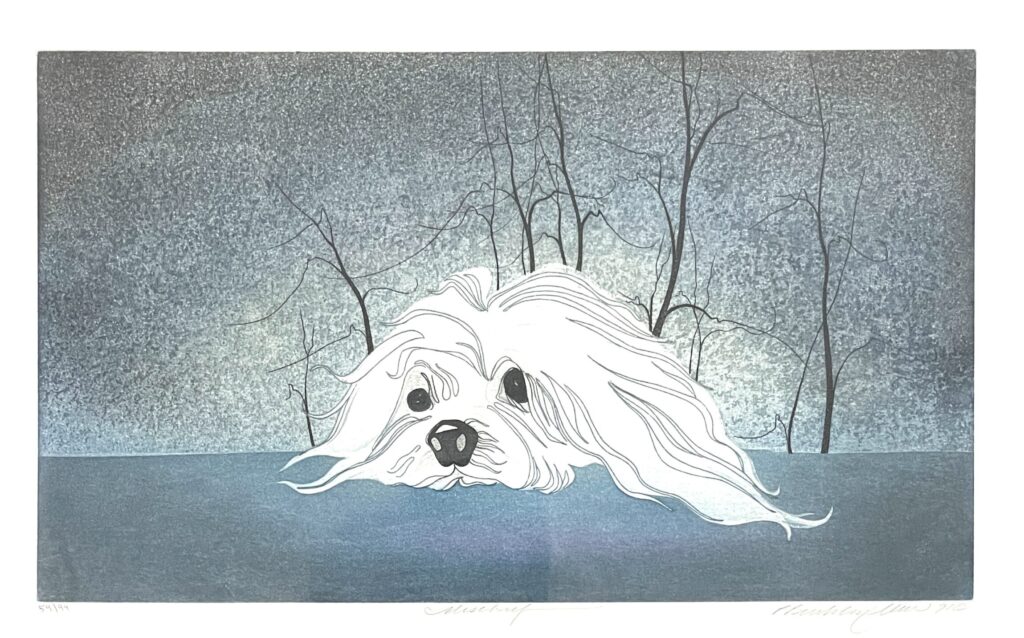
Mischief Etching
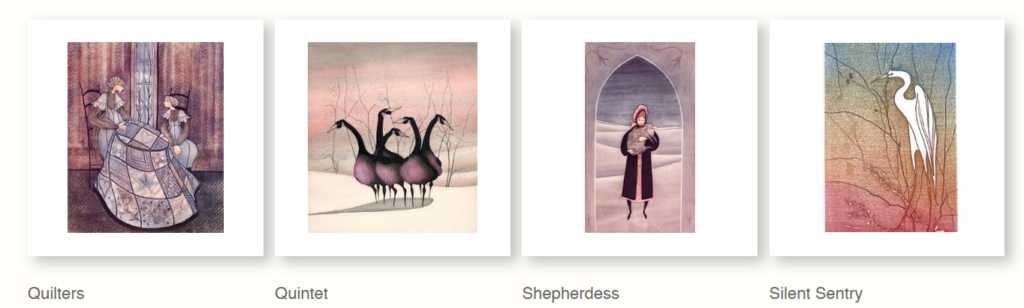
“Mischief” etching by P. Buckley Moss
2. Intricate Detail and Precision

Etching enables artists to express intricate details and complex imagery with remarkable precision. The ability to manipulate line weight and depth allows for diverse artistic expression, from delicate floral patterns to dramatic landscapes.

3. Historical Significance

Etching has a storied history dating back to the early 15th century when artists first experimented with the technique to create decorative metalwork. By the 16th century, etching had evolved into a recognized art form, with renowned artists like Rembrandt and Francisco Goya using it to convey emotion and narrative. This historical significance adds depth to the appreciation of etchings today, particularly for younger art buyers interested in connecting with the past.

4. Limited Editions and Collectability

Many etchings are produced in limited runs, enhancing their value and appeal to collectors. For instance, P. Buckley Moss’s etchings are available in limited editions, typically capped at just 99 prints per edition. This exclusivity, combined with the elegance of her artwork—created on vibrant, solid-color watercolor paper—makes her pieces particularly desirable.

5. Variability and Uniqueness

Each print created from an etching plate can vary slightly, lending a unique character to every piece. This variability contrasts digital reproductions, which are identical in every detail. The uniqueness of each print enhances its desirability among collectors who seek one-of-a-kind artworks.

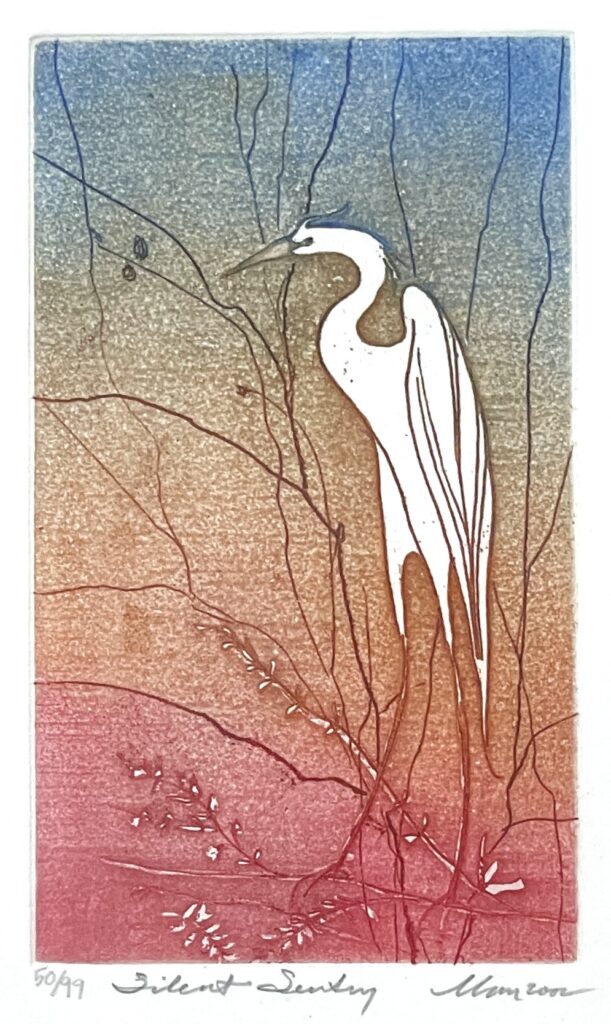
Silent Gentry egret
Silent Sentry Etching
6. Emotional Connection and Storytelling

Every etching tells a story through its subject matter or the artist’s technique. Collectors often find a deep connection to the narratives behind the artwork, making etchings a meaningful addition to their collections. Moss’s etchings usually reflect themes of family, community, and the natural world, further enhancing their emotional impact.

7. Handmade Craftsmanship

Moss’s etchings are meticulously crafted; each color in her prints is applied individually, and the plates are rolled through the press multiple times. This labor-intensive process can take about a year to complete a single edition, ensuring that each piece is of the highest quality. Furthermore, all current works in the Canada Goose Gallery have been hand-signed by P. Buckley Moss, and each piece shows the plate indentation from the printing process, distinguishing it as an authentic etching.

See All Our Etchings

The Cultural and Artistic Significance of Etchings

Historical Importance

Etchings have played a significant role in art history, with renowned artists like Rembrandt and Francisco Goya elevating the medium to new heights. These masters utilized etching to convey emotion and narrative, leaving a lasting impact on the art world.

Modern Relevance

Contemporary artists continue to explore etching, using it to engage with new themes and techniques. Among them is P. Buckley Moss, whose work embodies the spirit of etching while reflecting her deep connection to nature and the landscapes of Virginia. Moss’s studios are located in Virginia, where she creates stunning etchings that capture the beauty of her surroundings, making her work a unique addition to any collection.


Why Collect Etchings?

Investment Value

Collecting etchings can be a wise investment. Their unique qualities, the artist’s reputation, and limited availability can increase their value over time. The limited editions of P. Buckley Moss’s etchings have garnered attention for their quality and storytelling.

Aesthetic Appeal

Etchings possess a beauty and craftsmanship that captivates art lovers. The intricate details and unique textures make them appealing for any art collection, and Moss’s work is no exception, featuring vivid scenes that resonate with viewers.

Storytelling

Every etching tells a story through its subject matter or the artist’s technique. Collectors often find a deep connection to the narratives behind the artwork, making etchings a meaningful addition to their collections. Moss’s etchings usually reflect themes of family, community, and the natural world, further enhancing their emotional impact.

Conclusion

Etchings are a unique and captivating art form combining technical skill and artistic expression. Their rich history, distinctive qualities, and cultural significance make them a cherished medium for artists and collectors. If you have yet to explore etchings, consider visiting the Canada Goose Gallery to appreciate the remarkable etchings created by P. Buckley Moss firsthand.Etchings 2

Q: How can I distinguish between an original etching and a reproduction?

A: Look for an artist’s signature and edition number; original etchings are typically marked.

Q: What are the best ways to care for etchings?

A: Keep them away from direct sunlight, frame them with UV-protective glass, and handle them with clean, dry hands.


End-of-Life Tribute Video in Dark Green White Natural Photocentric Style (Instagram Post)

Tribute to P. Buckley Moss from Canada Goose Gallery

With heavy hearts, we at Canada Goose Gallery join the world in mourning the loss of an extraordinary artist, P. Buckley Moss. Patricia Buckley Moss was more than just an artist; she was a visionary who captured the spirit of American life and culture with a delicate and masterful touch. Her passing marks the end of an era, but her legacy will continue to inspire and enchant generations to come.