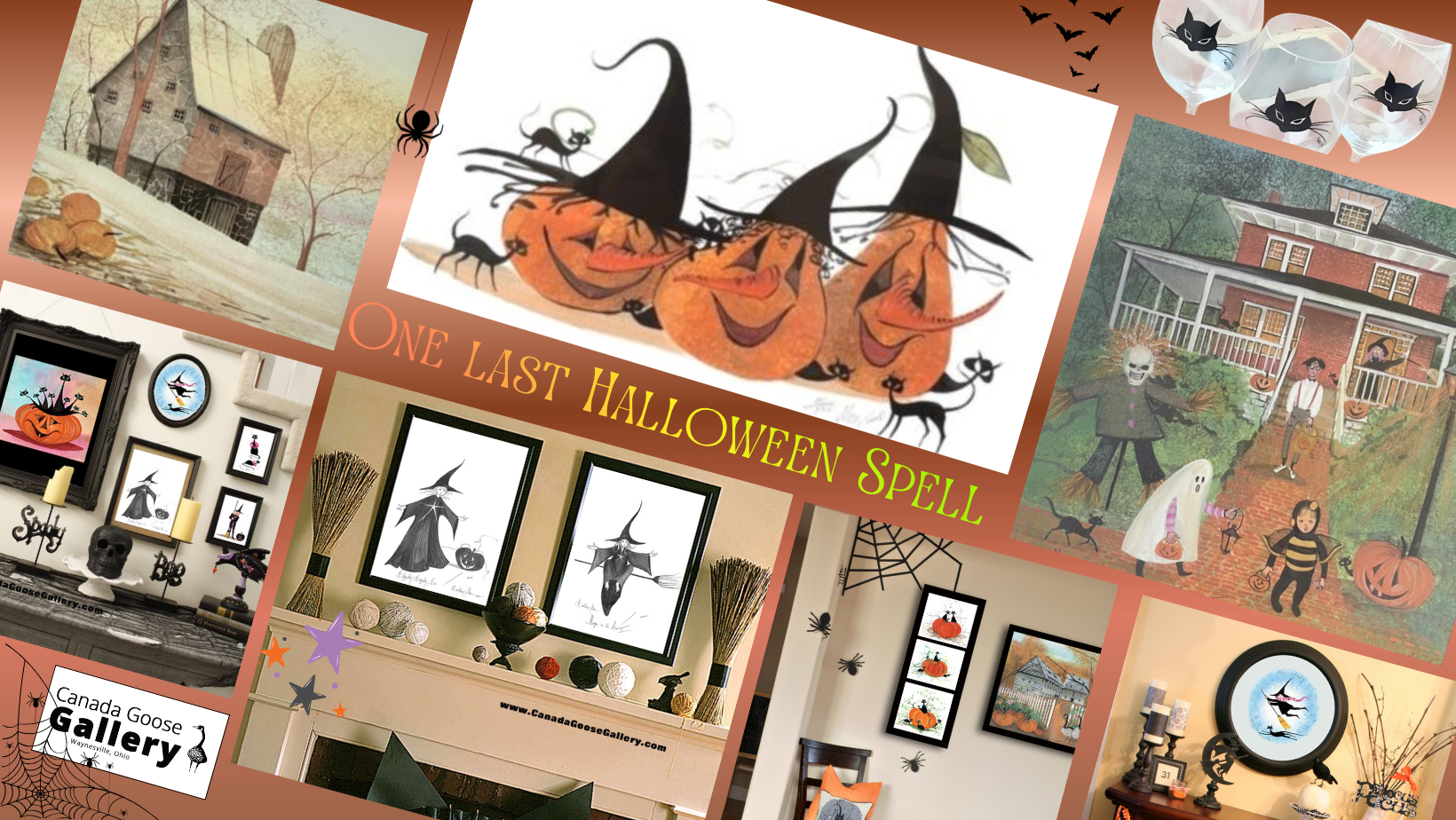
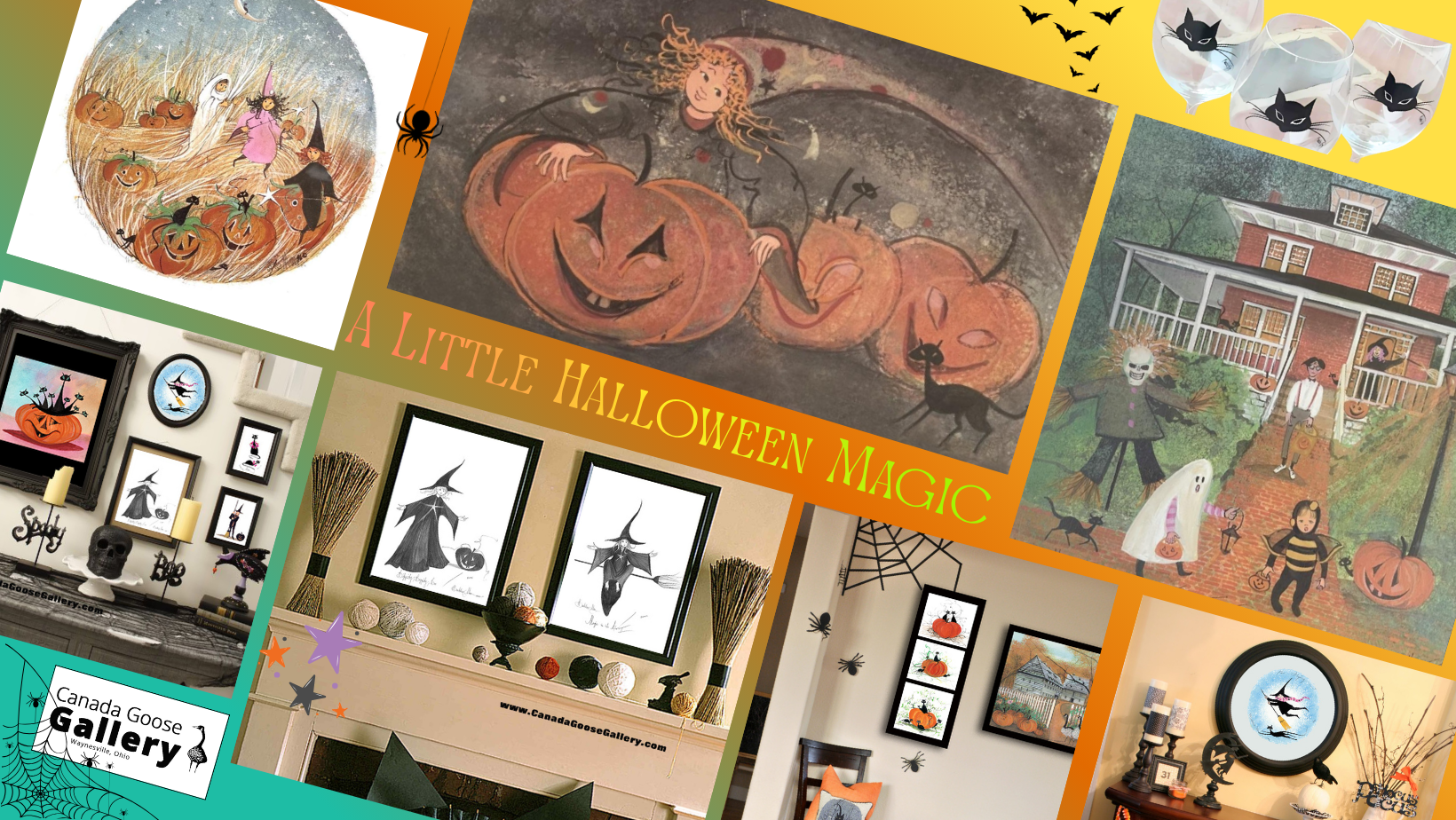
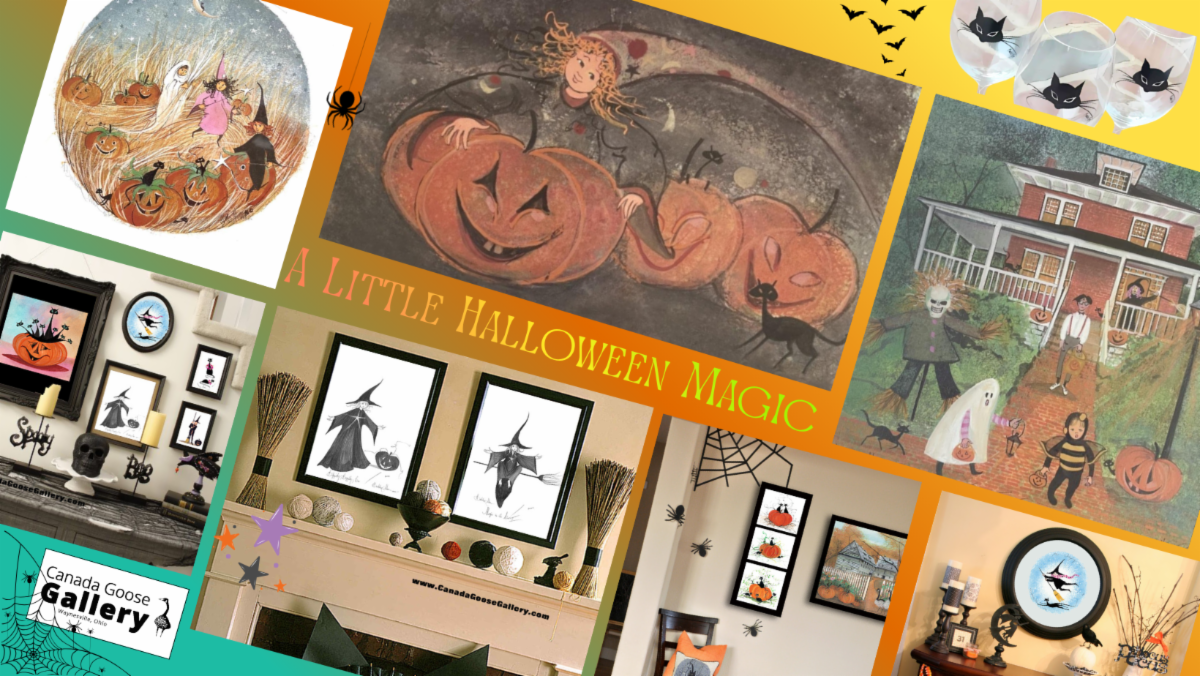
Before October slips away, let us hold the door open for one more week of black cats, glowing pumpkins, children’s laughter, and a little gentle magic.
Halloween has always lived somewhere between excitement and imagination. We decorate our homes, light the porch, tell old stories, and watch children become someone entirely different for an evening. Beneath all the costumes and candy is a season of change, when summer has disappeared, the trees are letting go, and familiar places feel just a little mysterious.
As the calendar turns toward November 1 and 2, many Mexican, Mexican American, and Latin American families observe Día de los Muertos by remembering and honoring loved ones who have died. This meaningful tradition is distinct from Halloween, yet its heart offers a gentle reminder we can all understand: the people, places, and stories that shaped us remain part of who we are.
However you mark the season, this is a beautiful week to make room for imagination, family history, happy memories, and perhaps a playful spirit or two.
One Last October Smile
Final Call for Halloween Magic
Friendly witches, glowing pumpkins, black cats, and remembered childhood nights make Halloween worth keeping just a little longer.
“A little mischief keeps October young.”
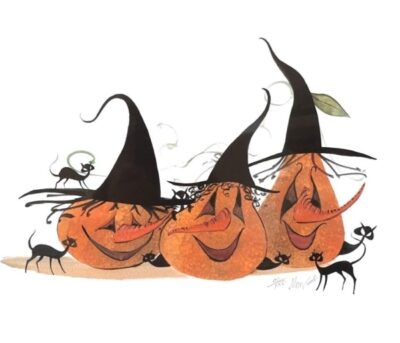
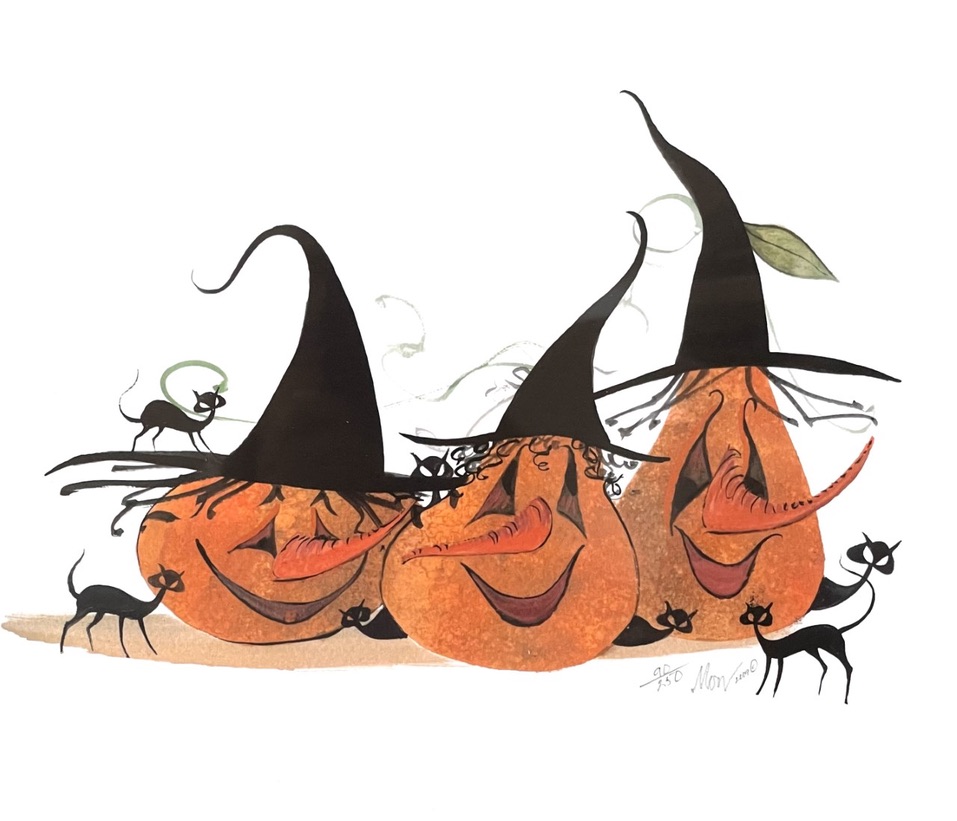
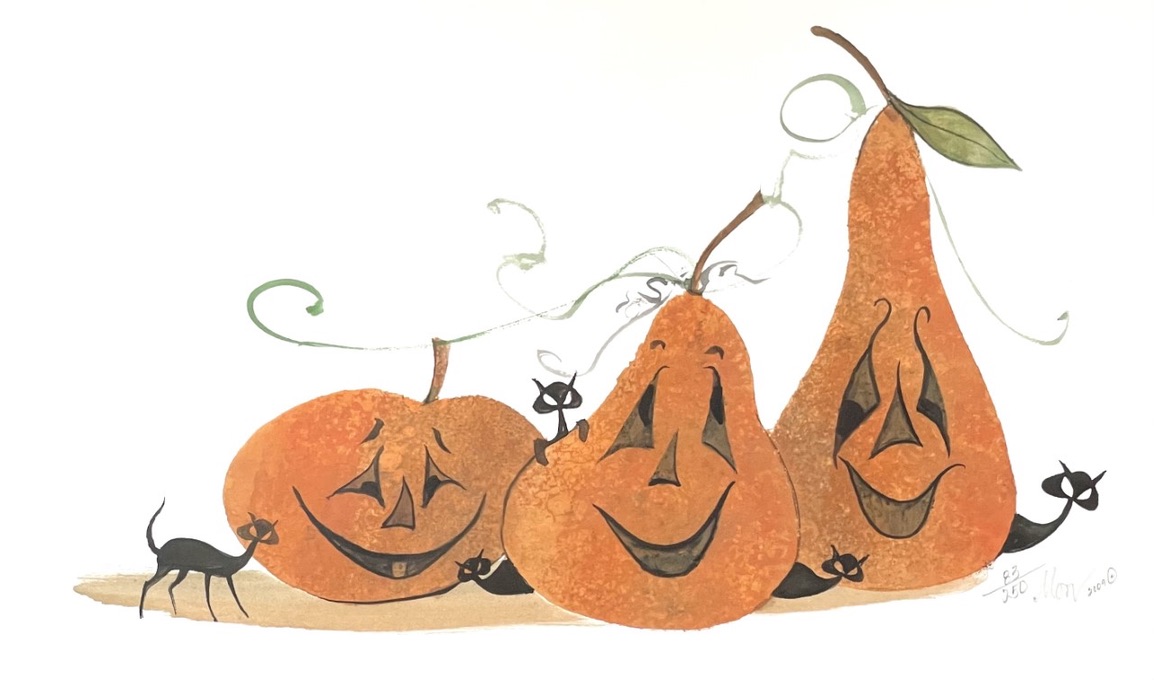
Witches Three
Three smiling jack-o’-lantern witches and their lively black-cat companions bring playful personality to the final days of October. Each figure seems to have a story, and every cat appears ready to create one more bit of harmless trouble.
“Childhood remembers the houses where the porch light was always on.”
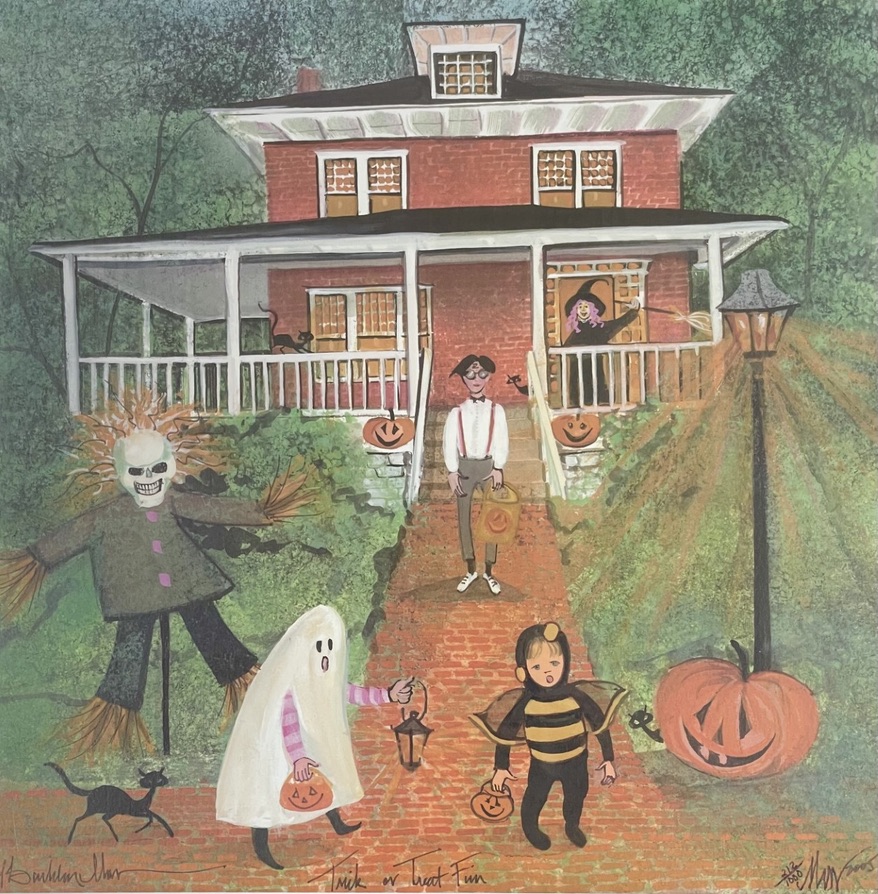
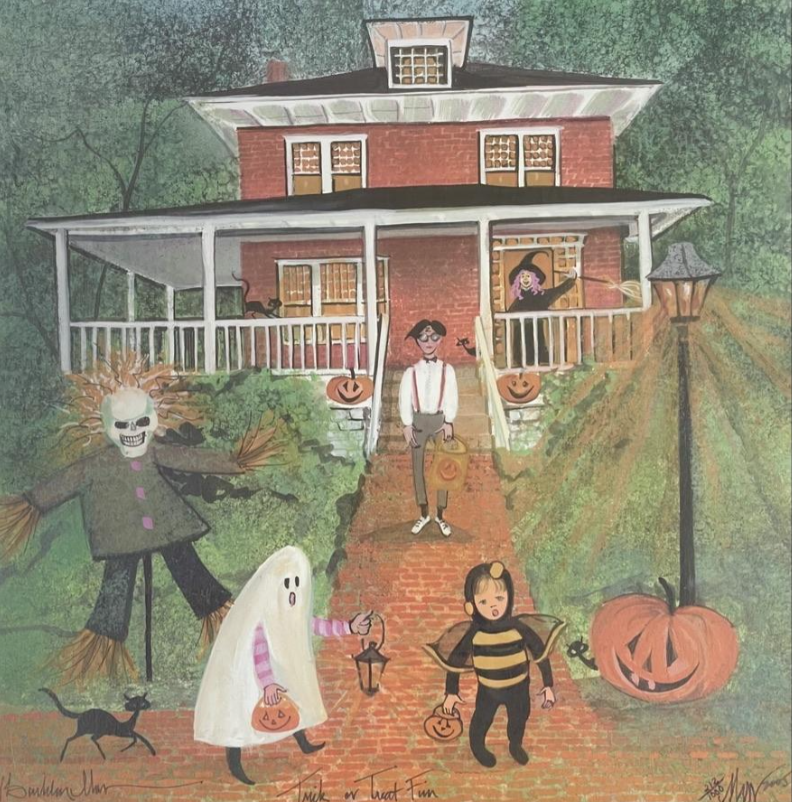
Trick or Treat Fun
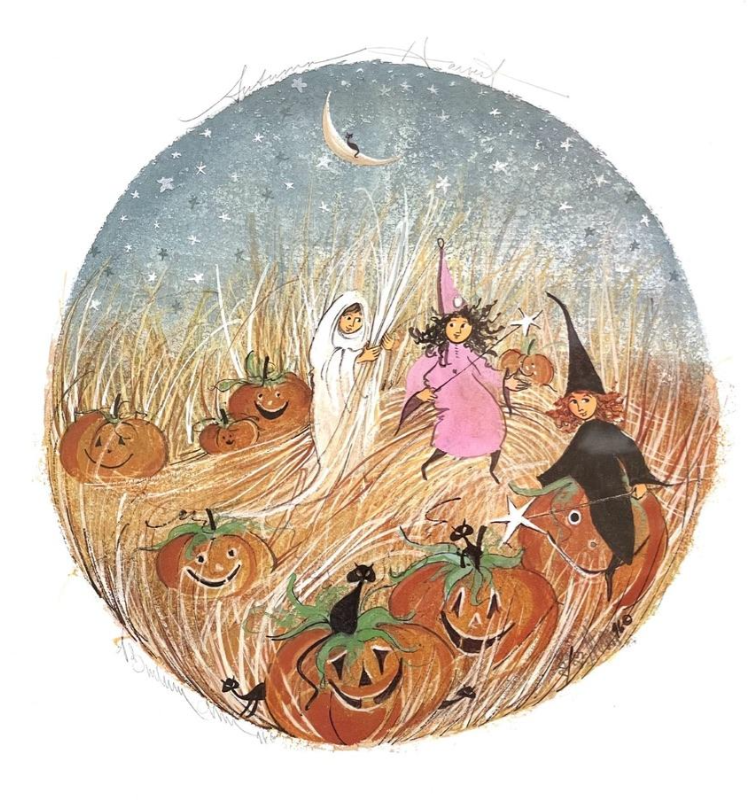
Costumed children, glowing pumpkins, a watchful black cat, and a welcoming home capture the laughter and excitement of Halloween night. It recalls the familiar streets where neighbors knew one another and every lighted doorway promised a small surprise.
Some works delight us. Others quietly return us to our roots, reminding us that memory, family, and love continue across generations.
“What we have loved does not disappear; it changes the way it walks beside us.”
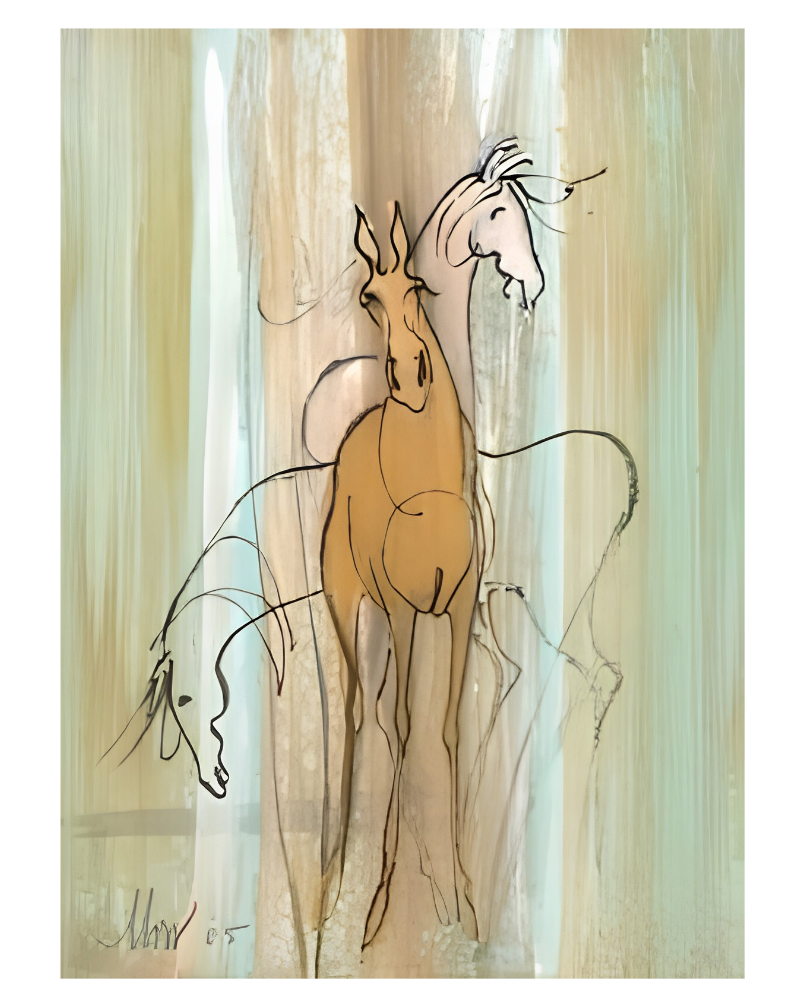
Spirits
Layered horses appear almost like memory in motion, suggesting strength, lineage, and a presence that can be felt even when it cannot be held. The work moves gently between the physical world and the unseen connections we carry within us.
“We inherit more than names. We inherit stories, courage, and ways of loving.”
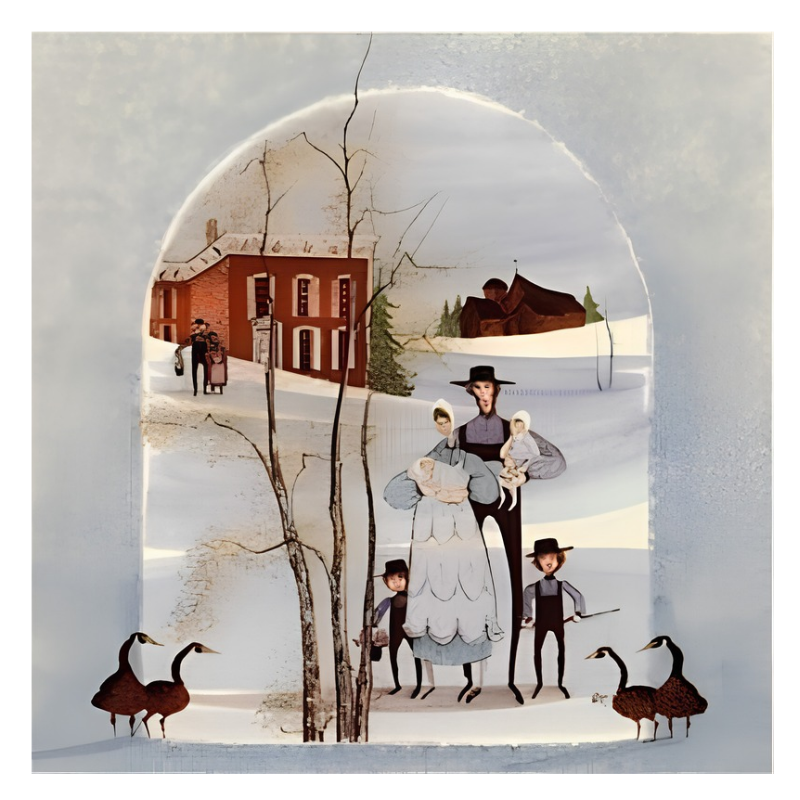
Family Heritage
A mother, children, geese, and a rural home create a tender reflection on family continuity, protection, and tradition. The peaceful scene asks us to remember what earlier generations built, preserved, taught, and quietly handed forward.
Explore more pumpkins, autumn landscapes, friendly witches, black cats, harvest traditions, originals, ornaments, and gifts in our seasonal collection.
Witches, black cats, glowing pumpkins, and the happy mystery of a familiar world transformed.
There comes a night each autumn when the neighborhood changes.
Porch lights glow against an early dusk. Leaves whisper along the sidewalk. Children become witches, ghosts, storybook heroes, and creatures of their own invention, then race from door to door with pillowcases swinging and laughter following behind.
Halloween is playful, but it also belongs to the deeper spirit of autumn: a season of change, remembrance, imagination, and homecoming. Old stories tell of the veil growing thin and beloved spirits returning to visit us. Perhaps that is why we light pumpkins at our doors, not only to make the darkness merry, but to say, this home remembers, this home welcomes, this home is full of life.
P. Buckley Moss captures that feeling without making it frightening. Her witches smile, her pumpkins glow, her black cats seem to know every secret, and her children carry the freedom and wonder of Halloween night. These are pieces to bring out every October and memories to live with for years.
When the Neighborhood Becomes Magical
Halloween begins with familiar rituals: a costume chosen with great seriousness, a hand held tightly, a glowing porch, and the promise of one more house.
Trick or Treat Fun
“For one enchanted evening, every doorstep holds a possibility.”
Costumes, companionship, and the bright anticipation of the next porch light capture the childhood heart of Halloween. Every parent or grandparent who has held a child’s hand on Halloween remembers the excitement.
“October paints the world boldly, then asks us to come outside and play.”
Rich seasonal color makes this Artist Proof a beautiful anchor for autumn decorating. When was the last time you carved a pumpkin? Do it this year, save the seeds, and let the scent of roasting pumpkin seeds fill the house with seasonal joy.
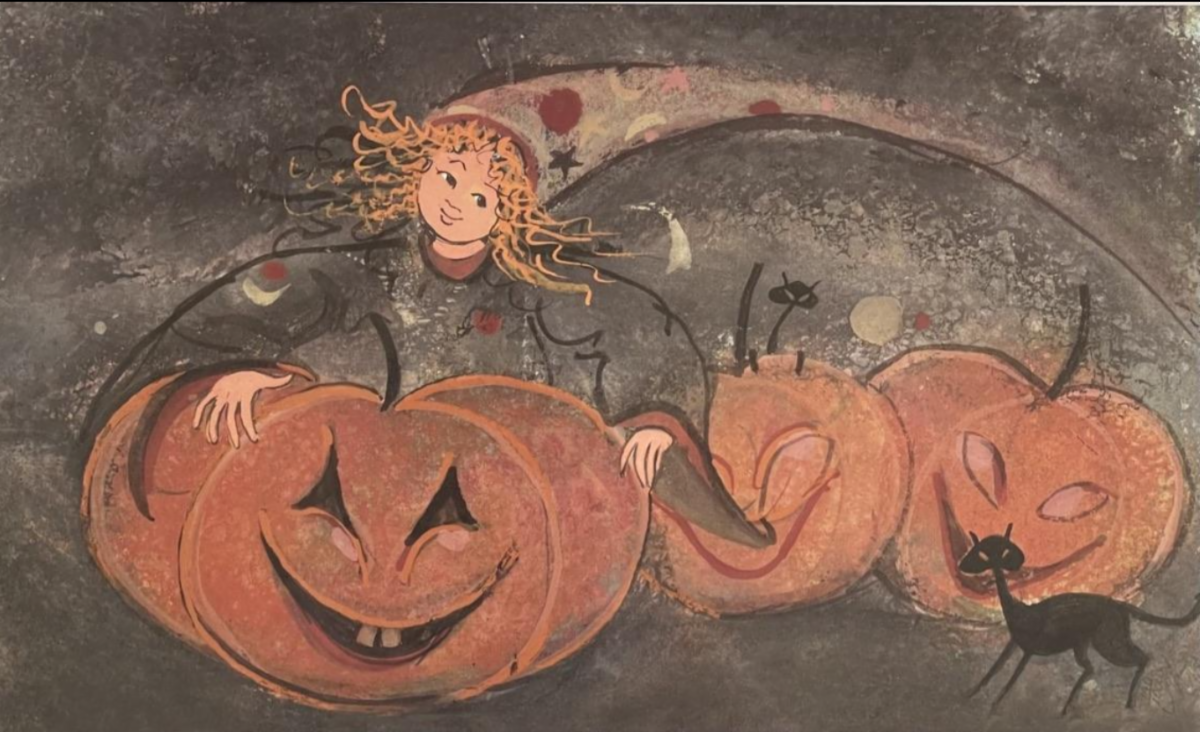
Pat’s witches are not meant to frighten us. They represent friendship, imagination, curiosity, and the courage to see everyday life a little differently.
The Good Witch
“A little kindness is the most powerful magic of all.”
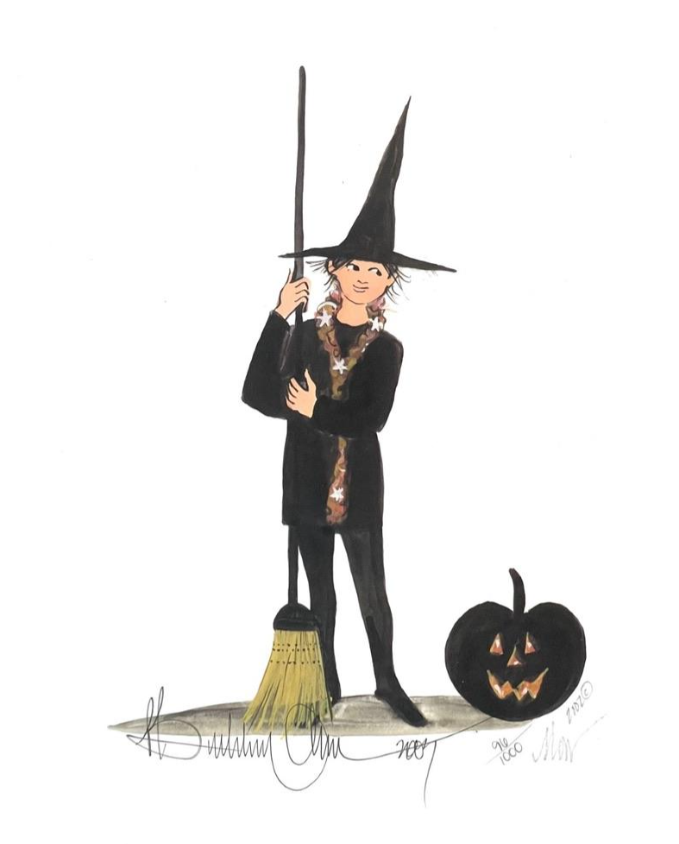
Gentle, whimsical, and ready for October, this friendly witch carries Halloween charm without a trace of fright. She commands the room while reminding us that a little magic lives in all of us.
“The best mischief is always shared with friends.”
Three companions, and a seasonal favorite, make their own Halloween story. Near a pumpkin patch, one can imagine all the fun and excitement, a merry reminder that imagination is better when shared.
“Some friends return whenever the leaves begin to dance.”
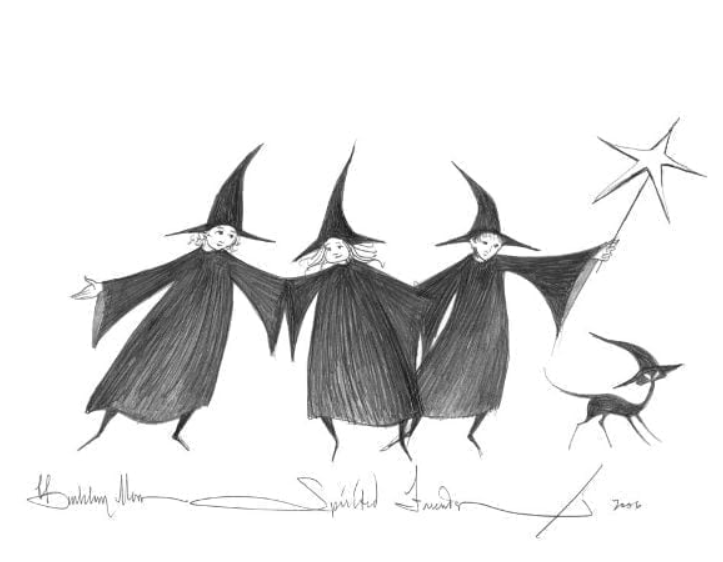
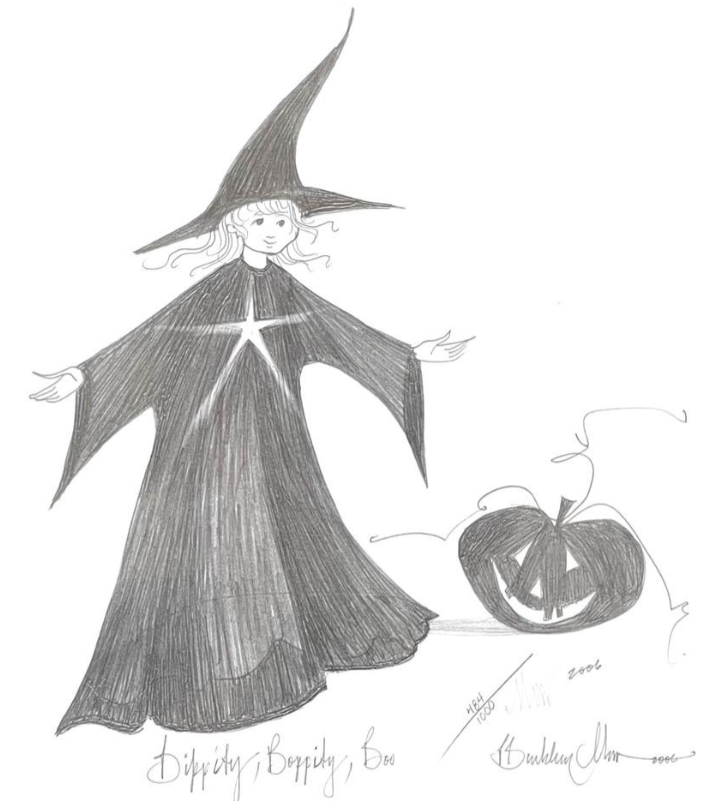
Warmhearted spirits and old companions belong to Halloween’s gentler mystery. Perhaps they are three lively sisters casting a spell on an annoying brother in the next room, or simply a reminder that magic grows when we come together.
“Together, they turn an empty corner into an October story.”
A ready-made gathering of friendly witches creates a spirited seasonal display. Arrange the set above a mantel or sideboard with pumpkins, candles, and autumn branches.
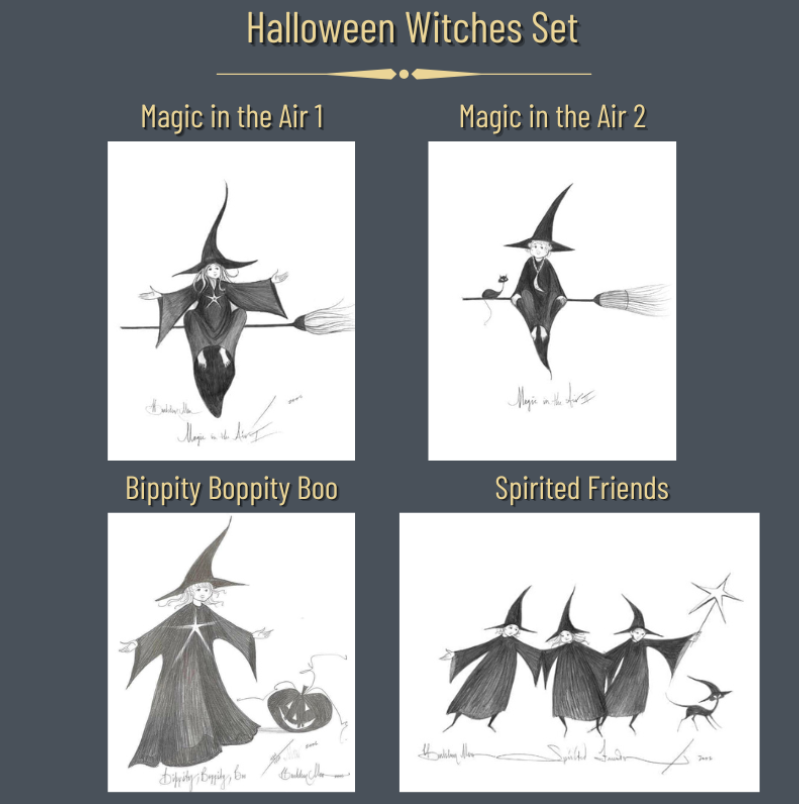
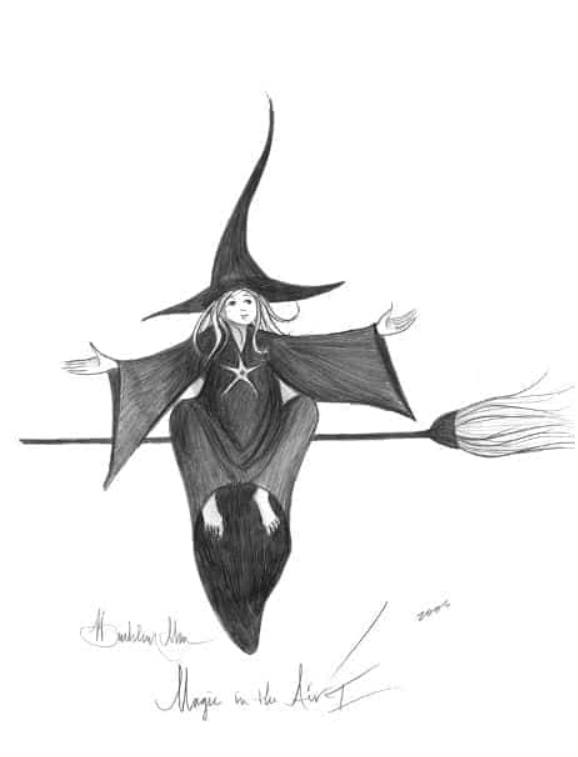
Witches carry a touch of everyday mischief and untamed wonder. They shake up the ordinary and invite us to look at the world with more sparkle and curiosity.
Magic in the Air 1
“When the moon rises over October, even the air feels enchanted.”
Lighthearted and full of motion, this piece brings playful Halloween magic to a wall, shelf, or seasonal grouping.
“A little moonlight, a little courage, and away we go.”
Pair it with its companion or let it fly alone. Either way, it adds movement, wonder, and a wink of mischief while reminding us to embrace our quirks and find magic in the ordinary.
Halloween transforms children into imagined characters, ordinary homes into glowing destinations, and familiar neighborhoods into places of possibility.
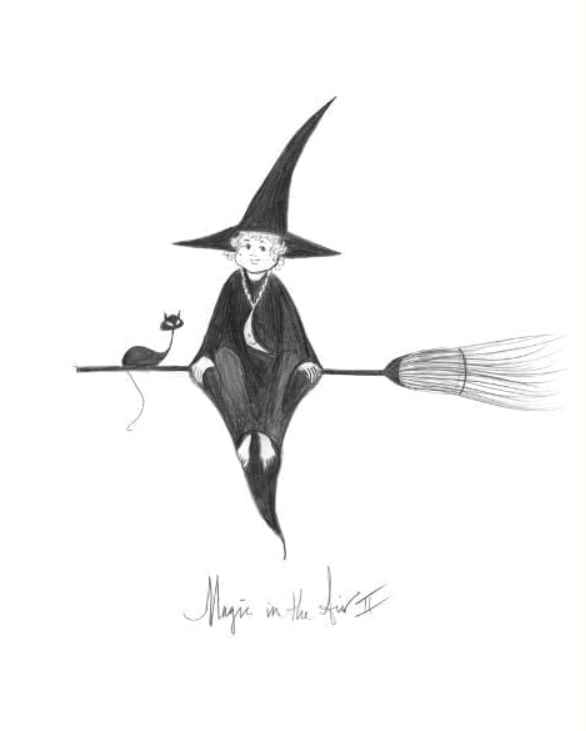
Bippity Boppity Boo
“October invites us to believe in transformation.”
A dash of make-believe turns the simple lines of a pencil drawing into something magical. We fill the moment with the colors of our own memories, the very spell Halloween casts on our homes and neighborhoods.
“The season gathers its gold and leaves it at our feet.”
A celebration of abundance and autumn color, this Artist Proof brings the warmth of the harvest indoors. No matter the season, it stirs the heart to remember.
Halloween decorating does not have to mean disposable decorations. Artwork can return year after year, gathering family stories and becoming part of the season itself. Explore pumpkins, friendly witches, black cats, autumn landscapes, and childhood Halloween memories throughout the collection.
“Halloween reminds us that a caring community can bring light to every season.”
Choose from 12 wonderful baskets and support the PALS For Life Breast Cancer Support Group. Tickets are six for $5, and the drawing takes place November 8, 2026, at 3:00 p.m. Select the basket you would like to enter before purchasing your tickets.
October has a way of waking up the child in us. The first pumpkin patch, the rustle of leaves underfoot, and a black cat watching from the garden can turn an ordinary afternoon into the beginning of a Halloween story.
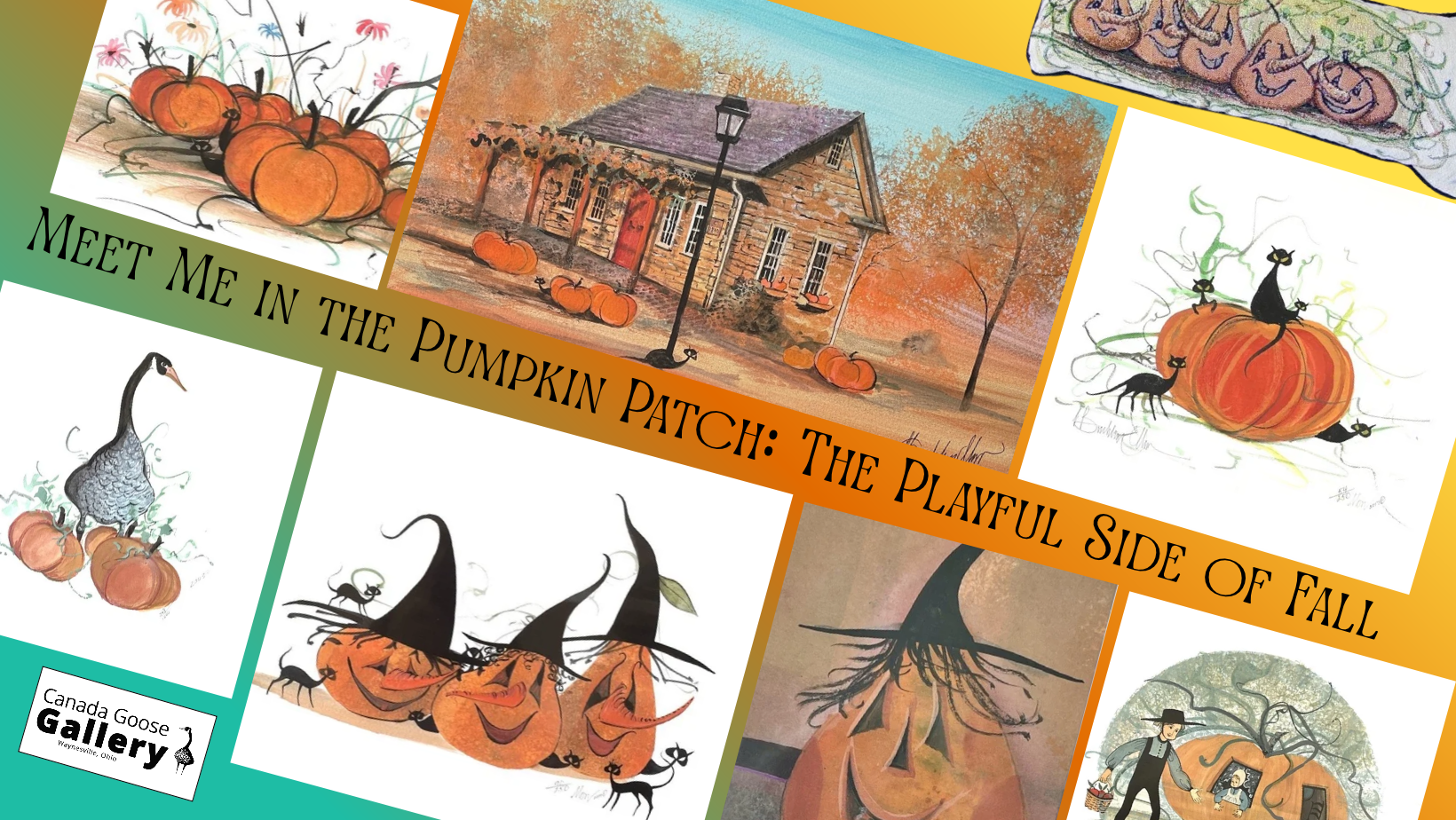
In the art of P. Buckley Moss, Halloween is filled with personality rather than fright. Pumpkins grin beneath crooked hats. Cats climb, hide, and cause trouble. Children race toward the fun, while geese and country landmarks join the celebration with a little seasonal mischief of their own.
So come along. Our Halloween Blitz begins in the pumpkin patch, where autumn color, childhood imagination, and the thrill of what is just around the corner make October irresistible.
“Somewhere between the pumpkin patch and the porch light, October turns anticipation into magic.”
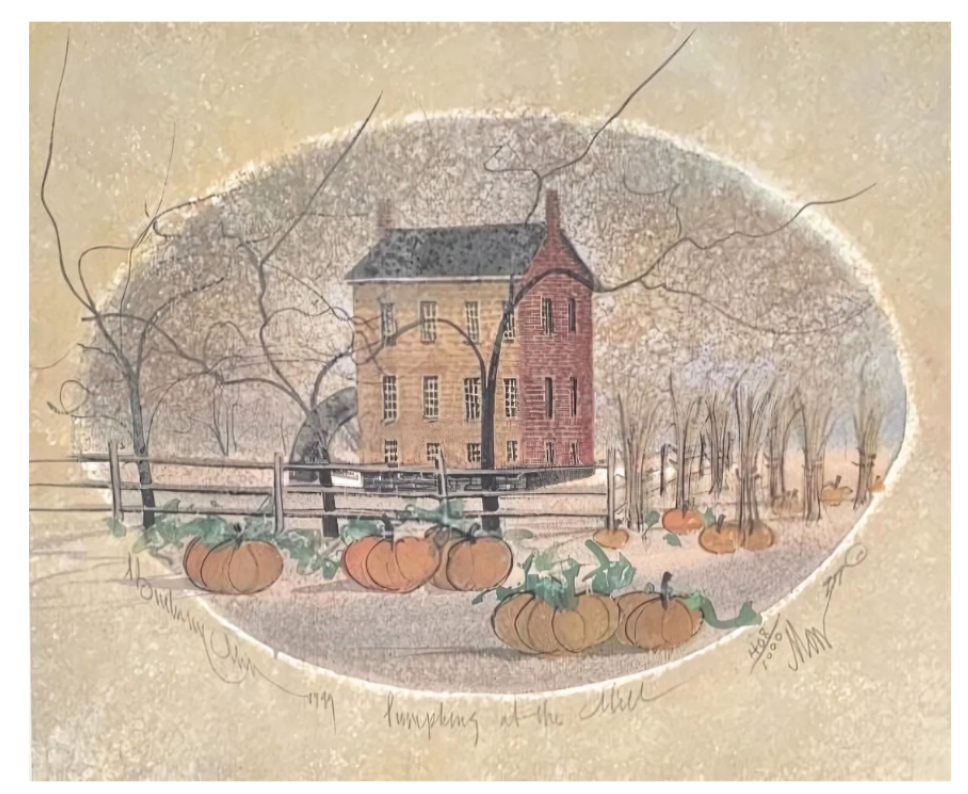
“When pumpkins gather at the old mill, even history seems ready for Halloween.”
Pumpkins at the Mill
A historic mill surrounded by pumpkins brings together rural heritage and the cheerful signs of October. Warm orange, rustic brick, bare trees, and an old fence make this rare print feel like a favorite country stop on the way to the pumpkin patch.
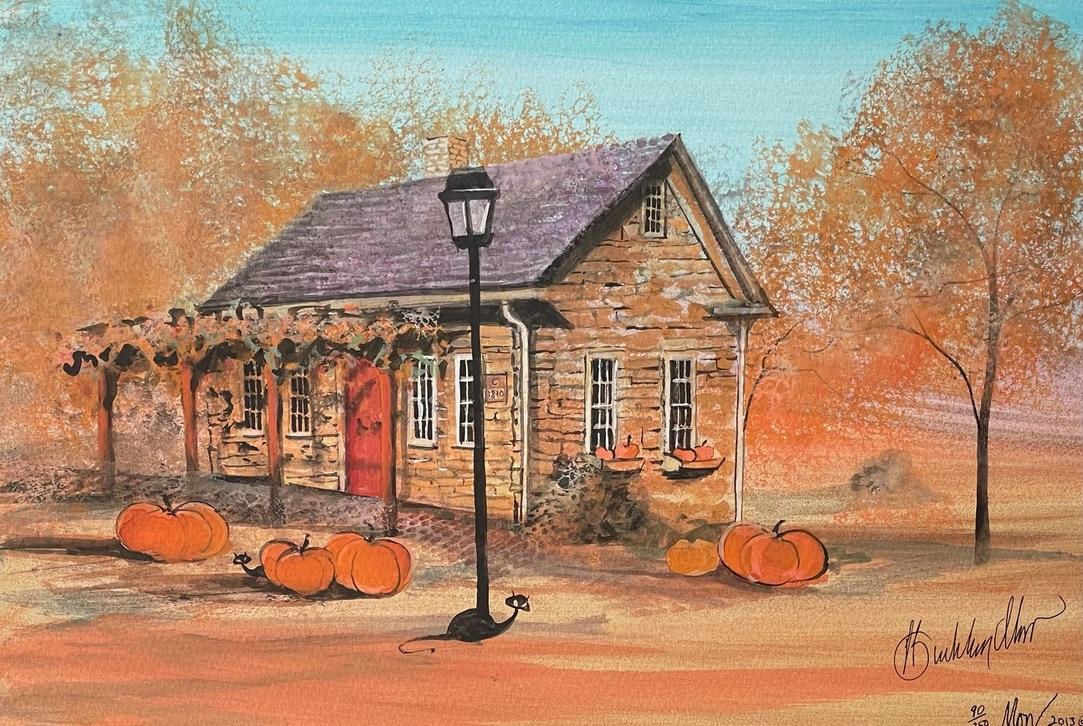
“A cottage, a pumpkin path, and one watchful black cat are all October needs to begin a story.”
Harvest at the Stone Cottage
Pumpkins scatter around a cozy stone cottage framed by brilliant foliage and a vine-covered trellis. Near the lamppost, a small black cat adds just enough mystery to make the peaceful autumn home feel ready for Halloween visitors.
“Give five black cats one bright pumpkin, and October will take care of the entertainment.”
October Play Day
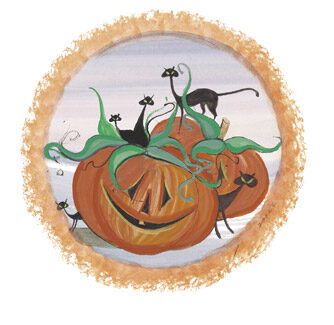
Five mischievous black cats climb, perch, and prowl around a glowing orange pumpkin. Their curling tails and lively poses turn the harvest into a playground and capture Halloween exactly as it should feel: curious, energetic, and fun.
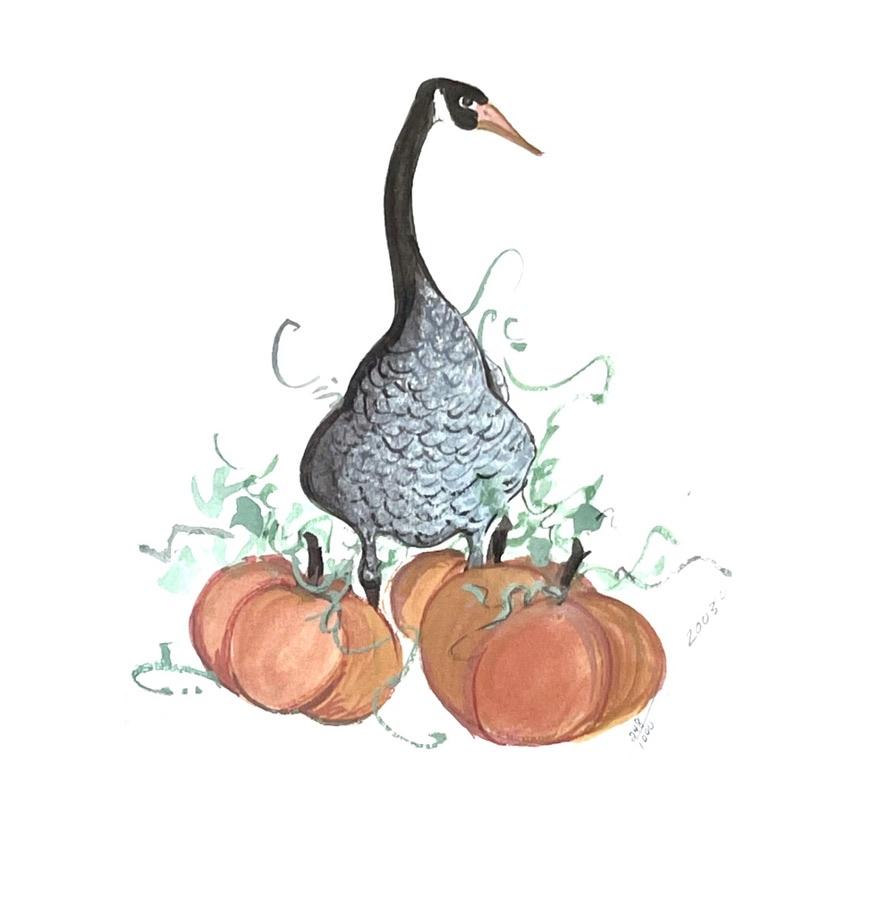
“Every pumpkin patch needs a guardian, preferably one with feathers and plenty of attitude.”
Moss Halloween Goose
The beloved Moss Goose stands proudly among plump pumpkins and curling vines. Graceful, watchful, and just a little self-important, this seasonal character brings gentle humor to a favorite symbol of harvest and homecoming.
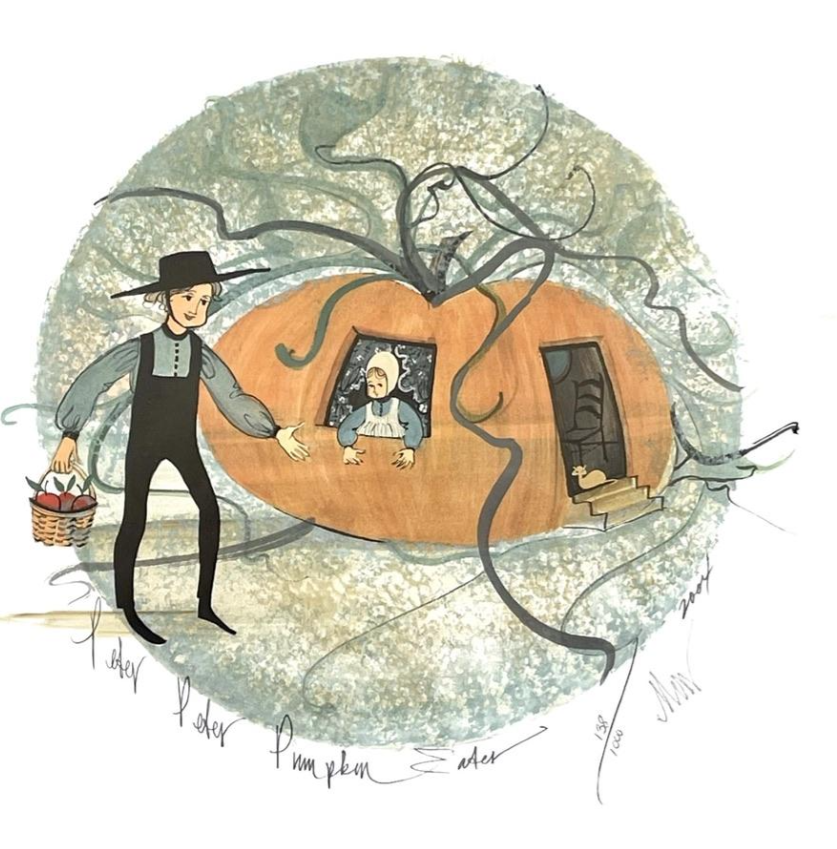
“In a child’s imagination, a pumpkin is never only a pumpkin. It might be a whole house waiting to be discovered.”
Peter Peter Pumpkin Eater
A familiar nursery rhyme comes to life as Peter carries apples beside a giant pumpkin house where his wife peers from the window. Moss turns a rhyme passed through generations into a warm storybook scene filled with autumn color and family nostalgia.
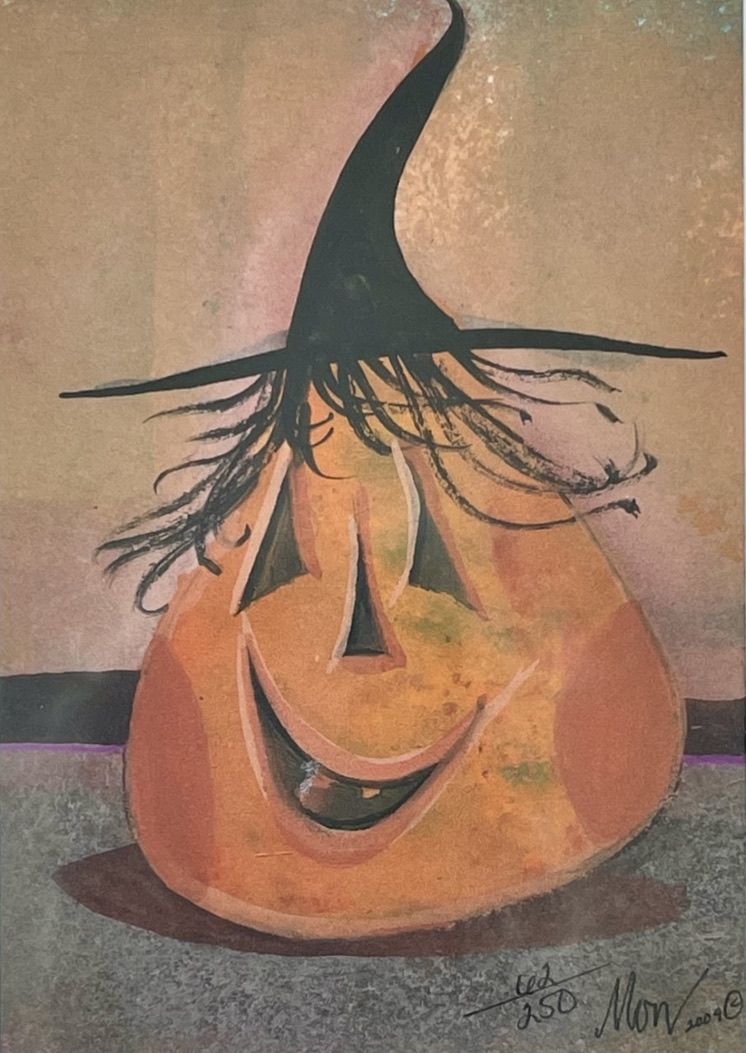
“A crooked hat and a wide pumpkin grin are proof that Halloween has arrived.”
Jack-O-Lantern 1
A smiling orange jack-o’-lantern wears an impossibly tall black witch’s hat against a crisp white background. Compact, bold, and full of personality, this Halloween character looks ready to greet every visitor at the door.
“Every jack-o’-lantern deserves a companion who understands the importance of a dramatic hat.”
Jack-O-Lantern 2
The companion character steps forward with a broad smile, a curling witch’s hat, and a warmer, atmospheric background. Displayed together or on its own, this expressive pumpkin brings humor rather than fright to Halloween decorating.
“The best Halloween costumes begin with friendship, laughter, and the freedom to become someone else for one night.”
Getting in the Spirit
Smiles, motion, and togetherness capture the excitement that builds before Halloween night. Moss celebrates the moment when costumes stop being clothes and become permission for children to run headlong into imagination.
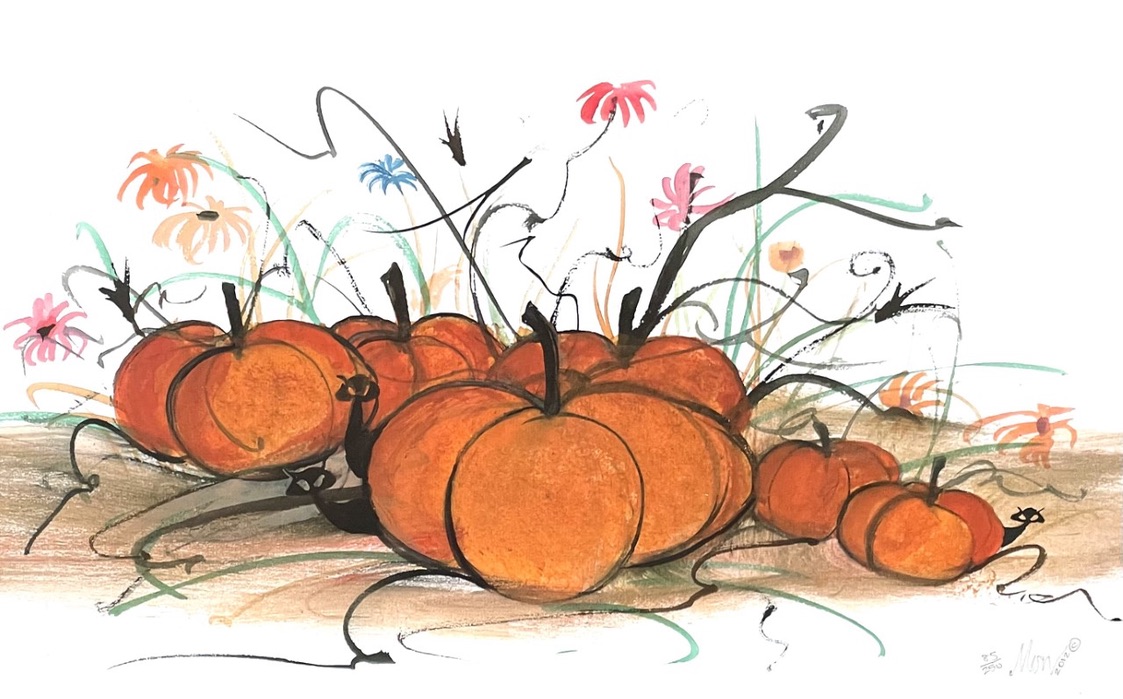
“Look closely. The pumpkin patch is full of small secrets, and the cats have no intention of giving them away.”
Hangin’ in the Pumpkin Patch Painting
This hand-signed 2012 watercolor is the one-of-a-kind original used to create the limited edition of the same name. Glowing pumpkins stretch across the composition while curling vines, colorful flowers, and small black cats reward a closer look.
For the collector, this is more than a seasonal image. It is Pat Moss’s original hand and vision: the source artwork from which every published print began.
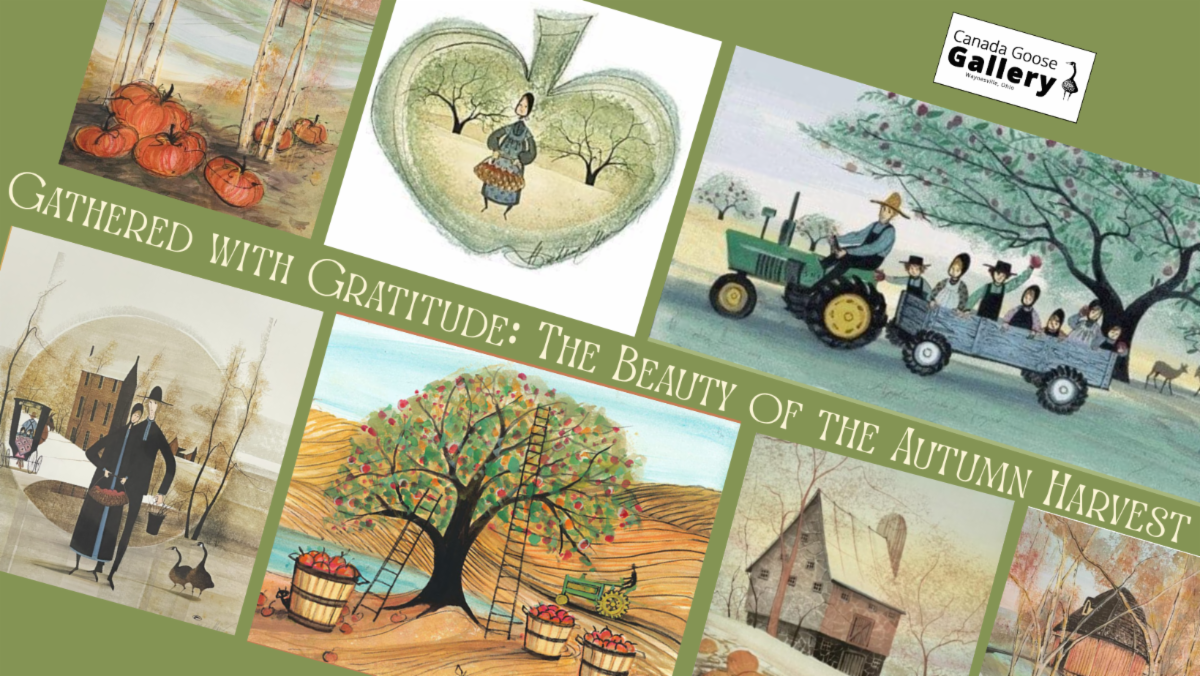
The harvest tells a deeply human story. What was planted quietly months ago is finally gathered, shared, and carried home. Apples fill baskets, wagons cross the orchard, and barns stand ready for the work and abundance of the season.
In the art of P. Buckley Moss, these familiar autumn rituals become a celebration of gratitude. The people at the heart of each scene remind us that a harvest is never only about what the land provides. It is also about patient labor, family traditions, and the joy of sharing life’s blessings with those who helped make them possible.
“The truest measure of abundance is not simply what we gather, but the gratitude with which we receive and share it.”
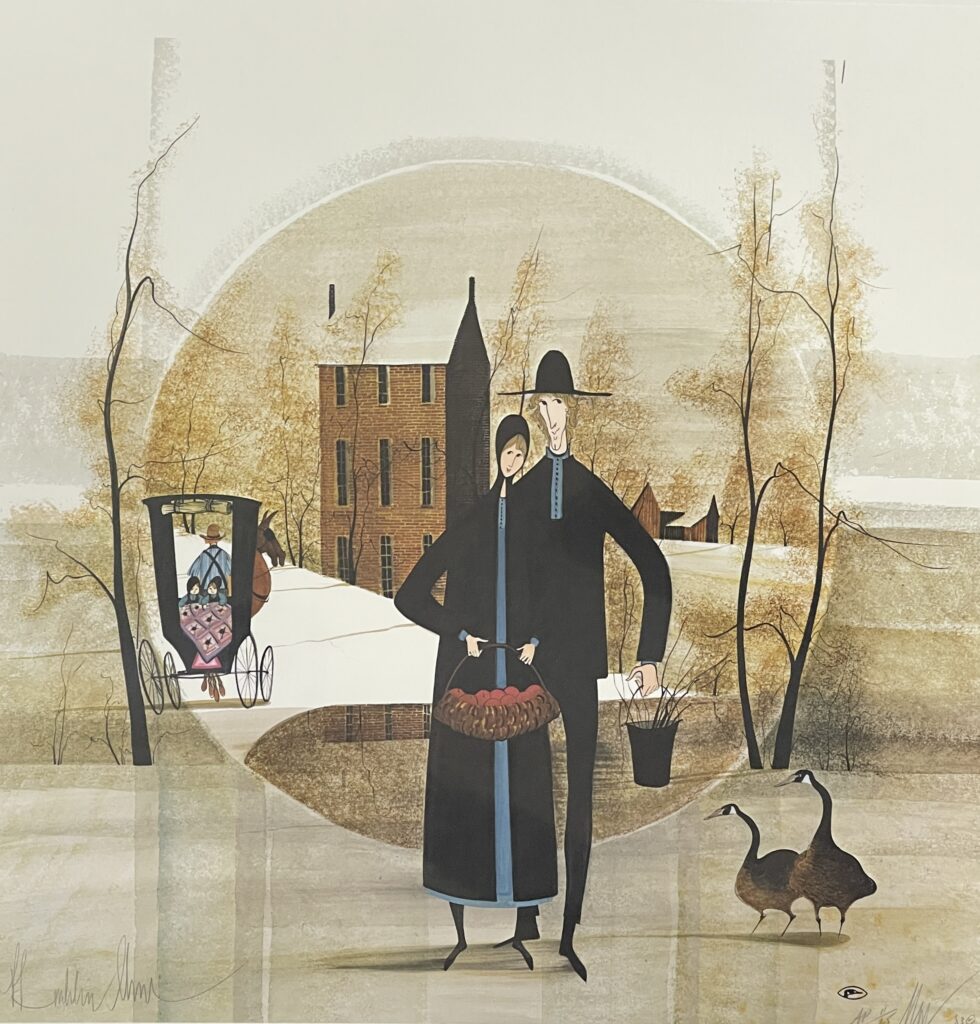
“In hands shaped by honest work, a basket of apples becomes a vessel of gratitude.”
Golden Autumn Artist Proof
An Amish couple carrying apples, a stately farmhouse, geese, barns, and a horse-drawn buggy fill this rare artist proof with the quiet dignity of provision. Its golden palette honors a life in which work, home, and the turning season remain closely connected.
“The sweetest harvest memories are often the ones gathered together.”
Apple Orchard Hayride
A wagon filled with Amish children travels beneath apple trees while deer graze quietly beyond them. The scene holds the laughter, freedom, and companionship that turn a day of gathering into a family tradition remembered for years.
“Every orchard carries the promise that patience will one day become plenty.”
Apples of the Valley
The valley’s apple harvest becomes a portrait of seasonal abundance. Moss invites us to see each piece of fruit not as something ordinary, but as the visible result of months of weather, care, and faithful tending.
“What we carry home from the harvest is nourishment, memory, and the reward of work shared.”
Baskets of Apples
Standing side by side with baskets from the orchard, an Amish couple embodies the strength of partnership. Bright apples become symbols of nourishment and gratitude, while the figures’ quiet unity suggests that abundance is most meaningful when it is carried together.
“There is grace in the simple task of gathering what the season has given.”
Apple Maid
With a basket of apples and Moss’s unmistakable quiet elegance, this figure gives dignity to one of autumn’s oldest rituals. She represents the steady hands behind the harvest and the beauty found in useful, everyday work.
“The valley remembers every season of labor and answers in autumn with color and abundance.”
Shenandoah Harvest
Rooted in the Shenandoah Valley that inspired so much of Pat Moss’s work, this scene joins rural tradition with the richness of fall. Landscape and labor become inseparable parts of one enduring story.
“Morning light finds the work already waiting and makes even the familiar fields feel new.”
Harvest Morn
The day begins with purpose as barn, land, and the season’s work come into view. This rare print captures the satisfaction of rising to a task that matters and participating in rhythms far older than ourselves.
“A barn holds more than the harvest; it holds the care, preparation, and hope of another year.”
The Harvest Barn
Weathered by seasons and central to rural life, the barn becomes a symbol of readiness and refuge. It is where the fruits of labor are protected and where a community’s practical wisdom is passed from one generation to the next.
“Plenty becomes a blessing when it draws us closer to the table and to one another.”
Bountiful Harvest
This final work gathers the collection’s deepest ideas into one word: bountiful. It celebrates not excess, but enoughness: food to share, work worth doing, traditions worth keeping, and people with whom to enjoy the season.
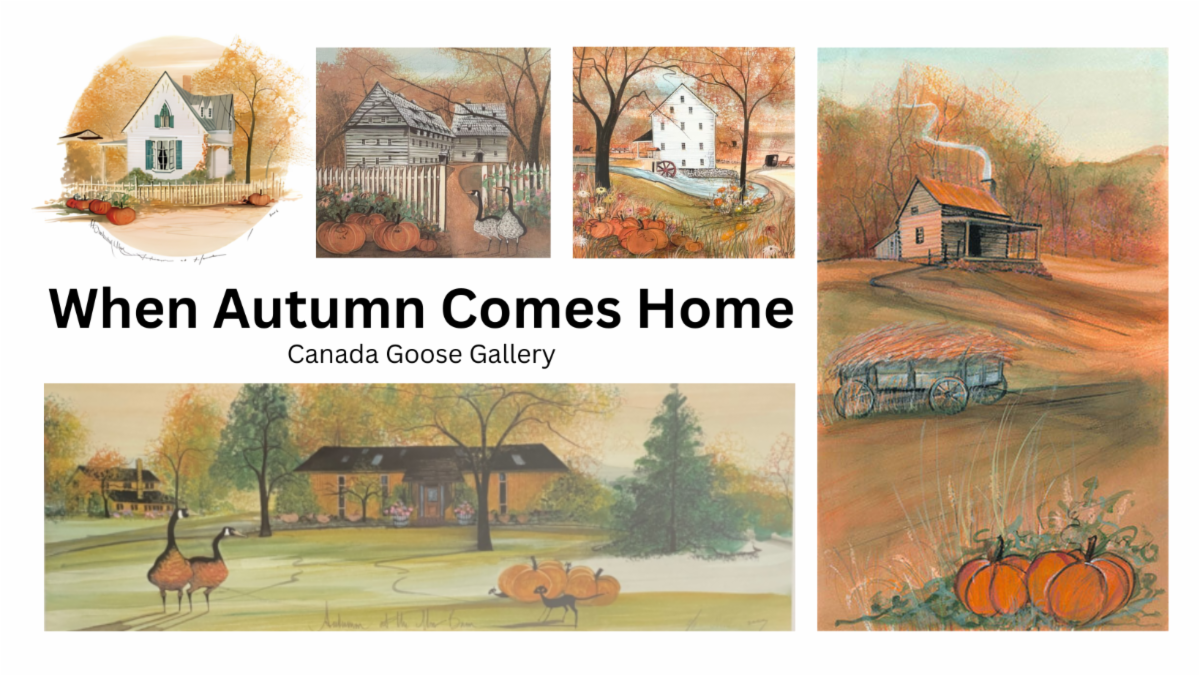
Fall rarely announces itself all at once. It arrives in cooler mornings, trees beginning to turn, pumpkins appearing by the door, and the familiar desire to make home a little warmer. A country road looks softer in autumn light, an old mill seems to hold more stories, and the first fallen leaves awaken memories we did not know were waiting.
In P. Buckley Moss’s art, autumn is more than a season. It is a homecoming. This collection brings together works from the Fall, American Home, Historic Landmarks, and Rural Life collections, revealing how places become meaningful when they carry the beauty, work, love, and memories of those who have passed through them.
“Autumn reminds us that coming home can be as simple as recognizing the light, the landscape, and the love that have been waiting for us all along.”
Autumn at Home
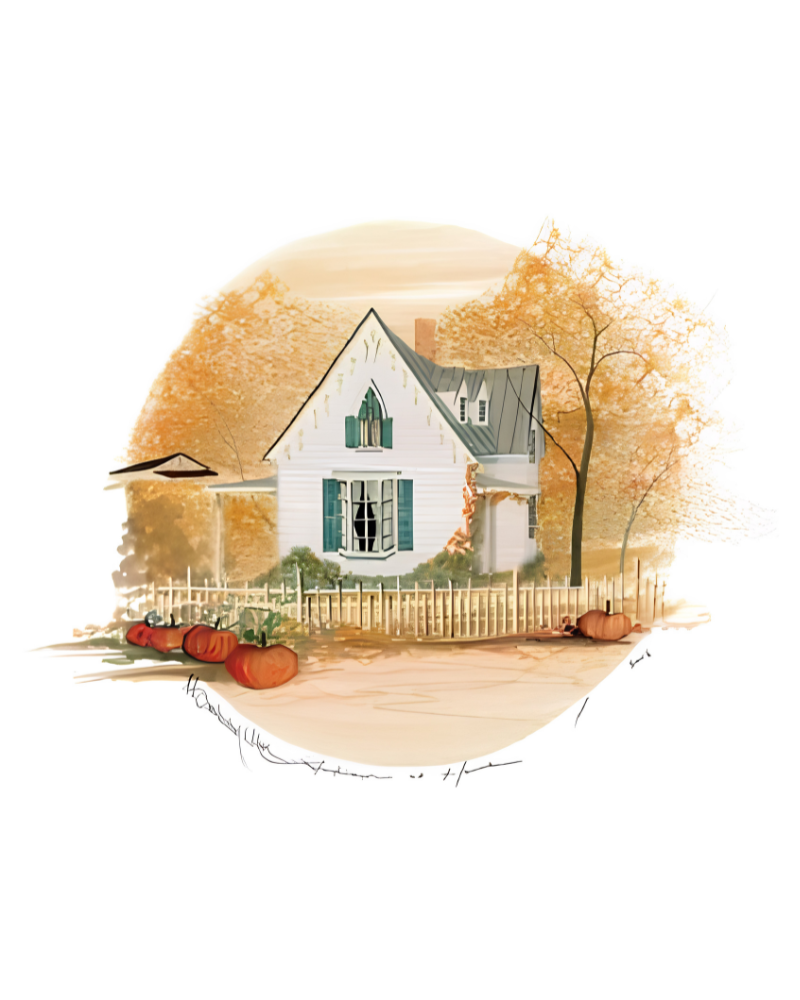
“A home becomes part of our memory through the seasons that gather around its door.”
A welcoming house surrounded by the colors and abundance of fall captures the comfort of returning to a place that knows us. This is autumn not simply observed, but lived: pumpkins near the path, warmth within, and the quiet promise of belonging.
“The places that nurture our gifts become part of the story those gifts leave behind.”
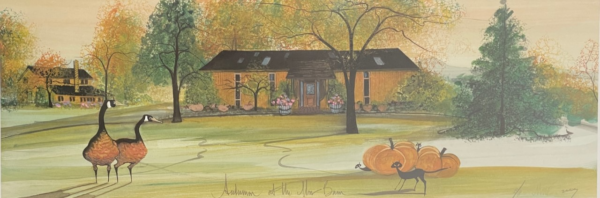
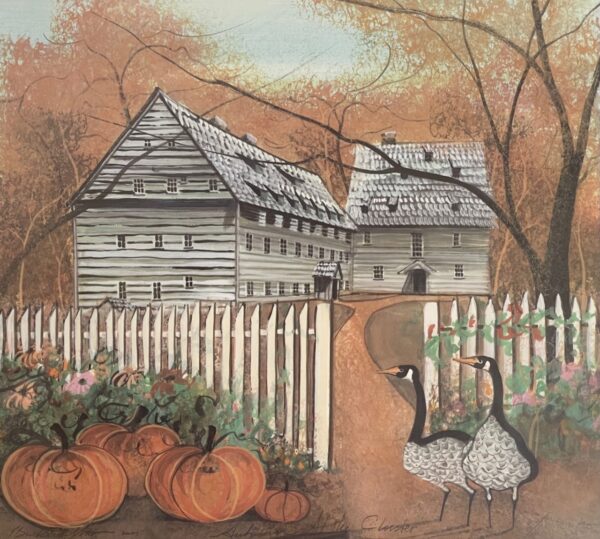
Pat’s own Waynesboro home and watercolor studio makes this scene especially intimate. The converted apple barn, autumn landscape, geese, pumpkins, and watchful black cat preserve a glimpse of the place where she lived, welcomed collectors, and found inspiration.
“Some landscapes do not ask us to hurry through them. They ask us to remember how it feels to be still.”
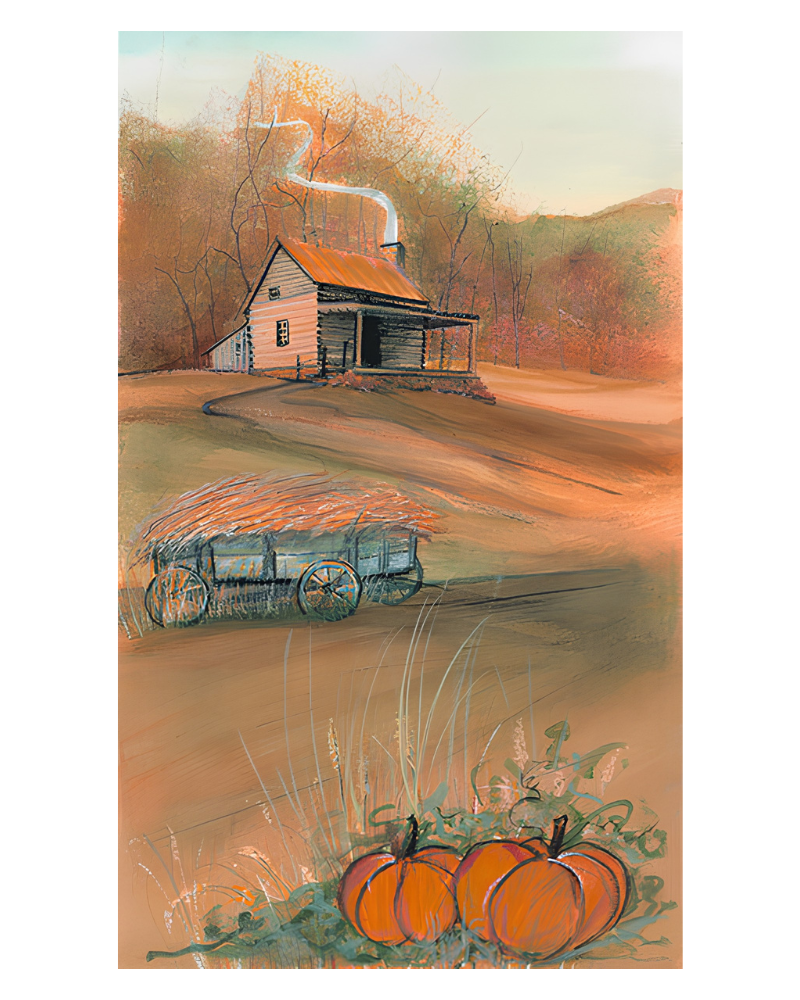
A rustic cabin, wagon, pumpkins, and mist-softened hills celebrate autumn’s quieter pleasures. The winding landscape invites the eye to wander slowly, as though traveling a familiar mountain road with nowhere else to be.
“When a landmark survives, it carries more than history. It carries the footsteps, labor, and hopes of a community.”
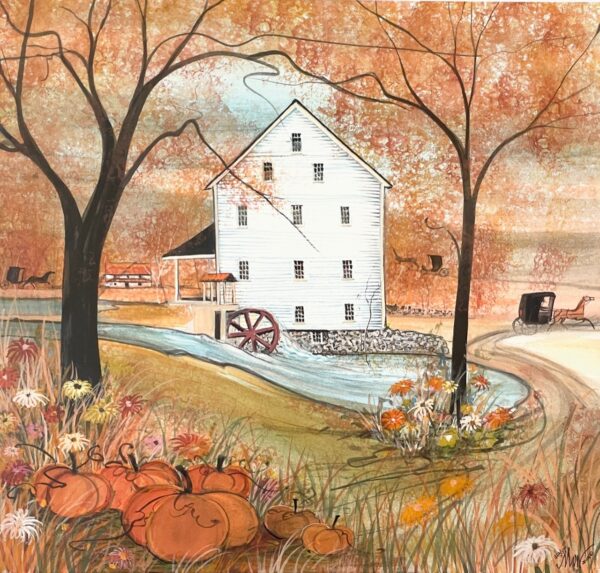
Glowing foliage, pumpkins, horse-drawn buggies, and the flowing millstream surround this historic Virginia landmark. Pat transforms the mill into a symbol of continuity: a working place made beautiful by time, memory, and the changing season.
“Old places teach us that usefulness may change, but meaning can deepen with every passing year.”
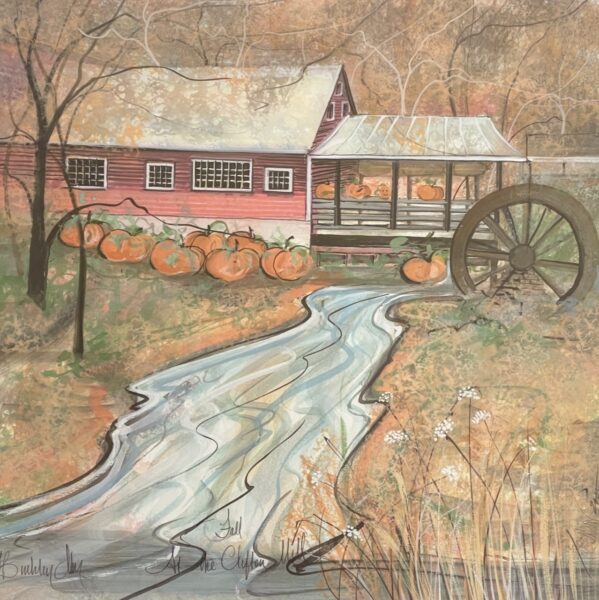
One of Ohio’s oldest operating gristmills stands amid the saturated colors of fall. Its enduring presence joins history with seasonal beauty, reminding us that the landmarks we preserve help us recognize where we come from.
“In places shaped by patience, even the falling leaves seem to speak in a quieter voice.”
Autumn settles gently around historic architecture, pumpkins, and geese, joining nature with a place built to endure. The scene holds the calm of a seasonal pause: a moment to notice beauty before the year moves onward.
“Autumn does not hide the passage of time. It turns change itself into something radiant.”
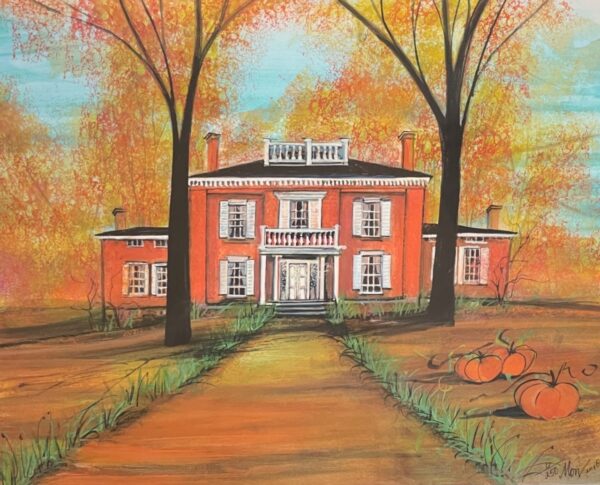
At Glendower, historic architecture and vibrant foliage become equal storytellers. The changing leaves do not diminish the landmark; they frame it, showing how each new season can reveal a familiar place differently.
“The richest harvest is the love that remains after another season has passed.”
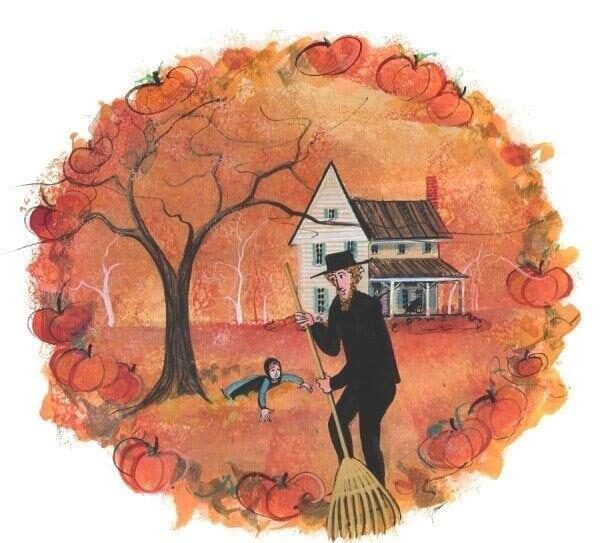
A family moment, framed by pumpkins and autumn color, brings the collection back to its deepest meaning. Seasons change, children grow, and homes evolve, but the love practiced in ordinary days becomes the inheritance we carry forward.
Every school year begins with a doorway and the courage to walk through it.
By late August, summer begins to soften into fall. Store shelves fill with notebooks and pencils. Campuses stir awake. Children wonder who their teacher will be, parents measure how quickly another year has passed, and college students prepare to leave the familiar for a world that suddenly feels much larger.
These moments belong naturally within Canada Goose Gallery’s American Collections. The story of America is not held only in its barns, farms, landmarks, and towns. It also lives in the schoolhouses where children first discovered their abilities, in the teachers who recognized what others missed, and in the universities where young people began imagining lives of their own.
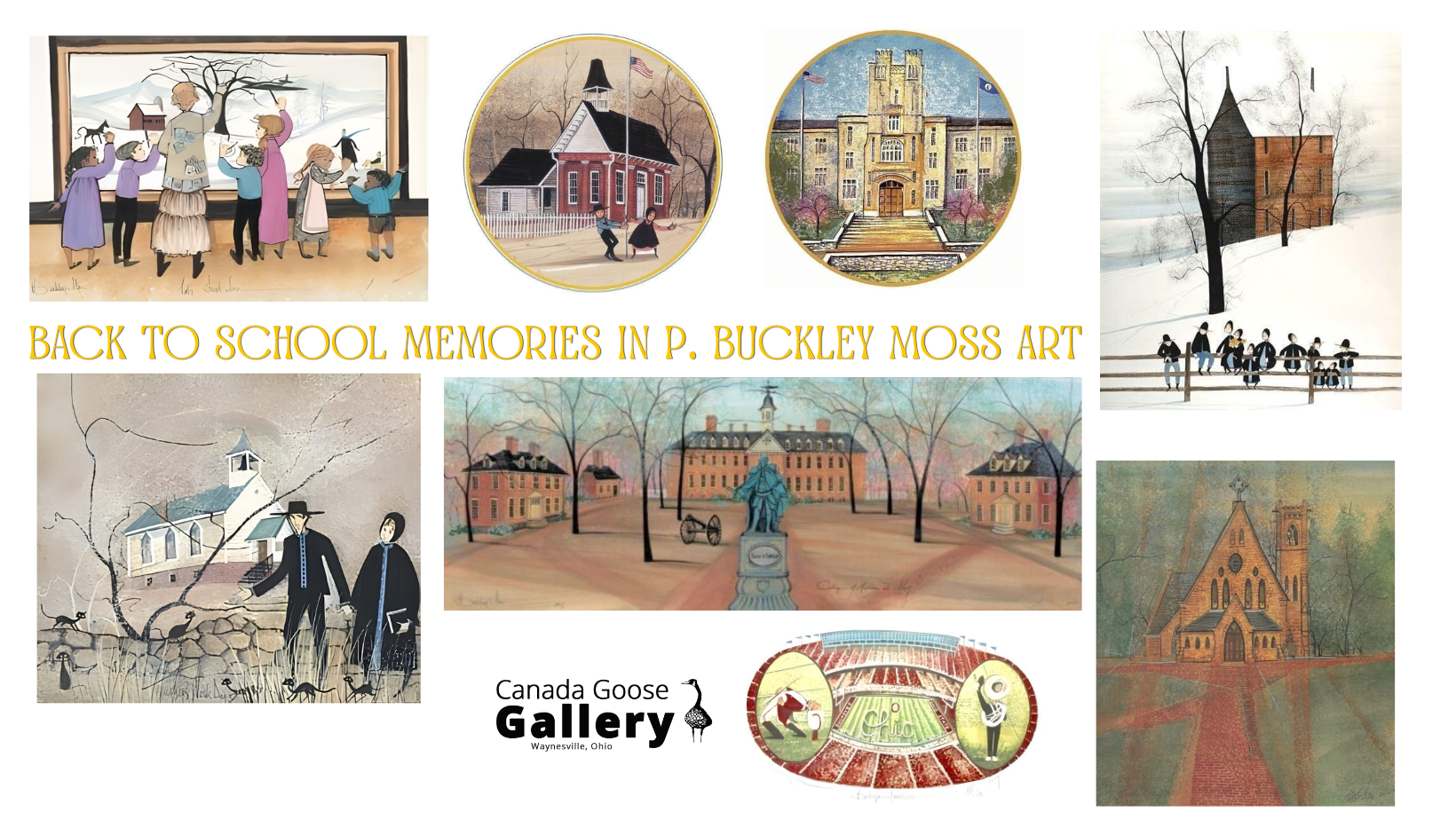
P. Buckley Moss cared deeply about education, particularly children who learned differently. Her work reminds us that education is not simply the transfer of knowledge. At its best, it is an act of recognition: a teacher sees a child, understands how that child learns, and opens a door that might otherwise have remained closed. This collection follows that promise from the first day of school to the first day at a university.
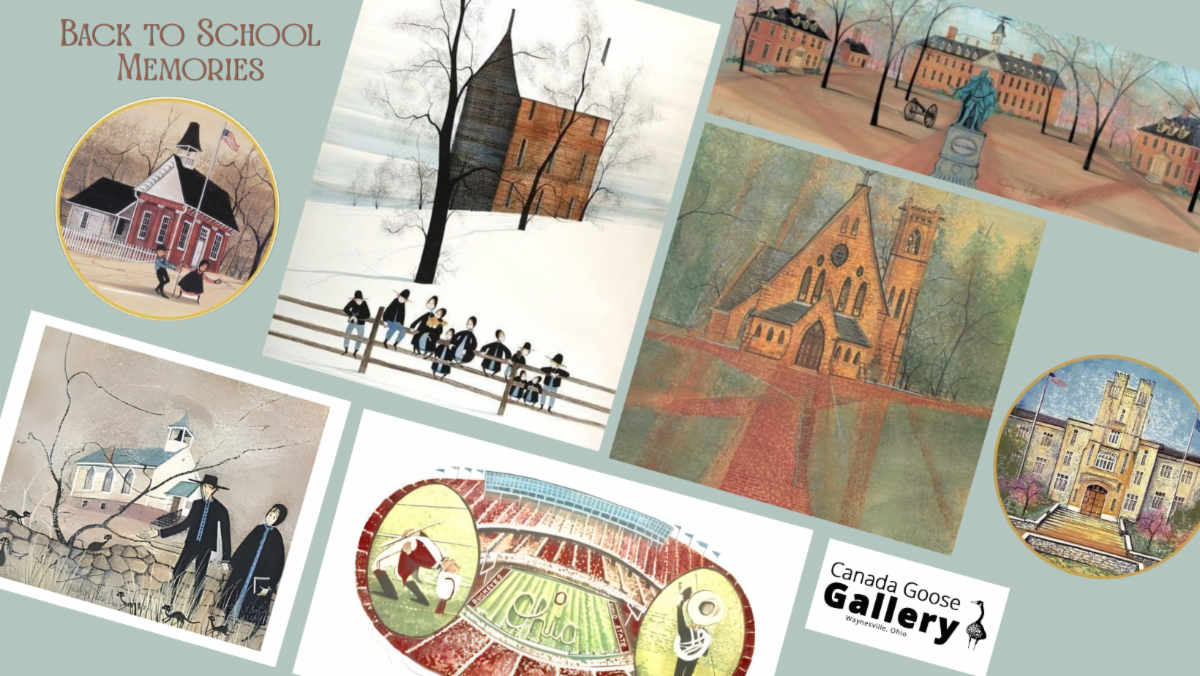
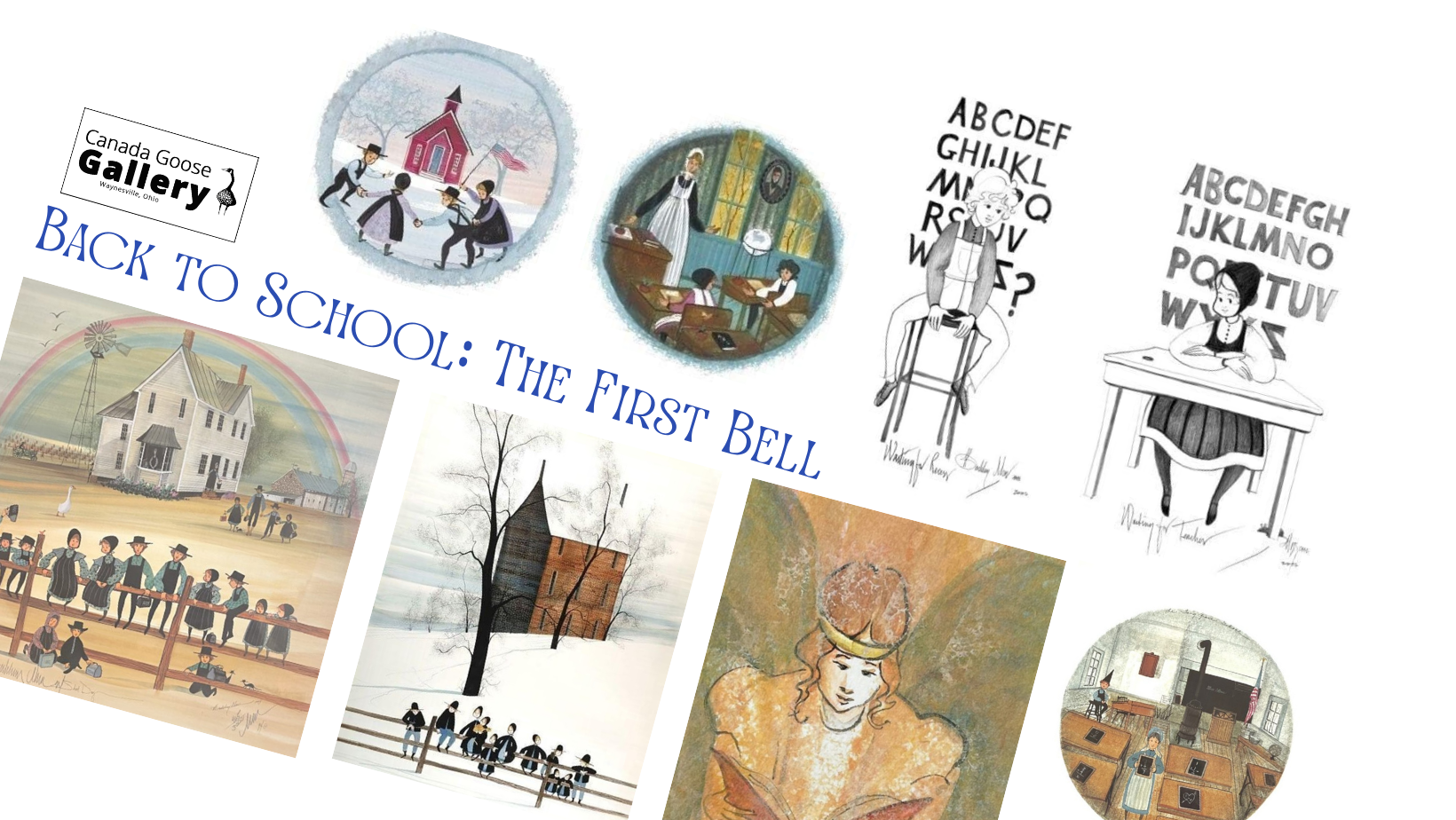
Back to School
“We entered with sharpened pencils and uncertain hearts, never knowing which lesson would stay with us for life.”
Back to School captures the familiar threshold between the freedom of summer and the promise of a new beginning. It evokes the flutter of first-day nerves, the pleasure of fresh supplies, and the hope that this might be the year a new friend, favorite subject, or encouraging teacher changes everything. In a home, it honors the courage hidden inside ordinary beginnings.
“The building was small, but inside it a child’s world could grow without walls.”
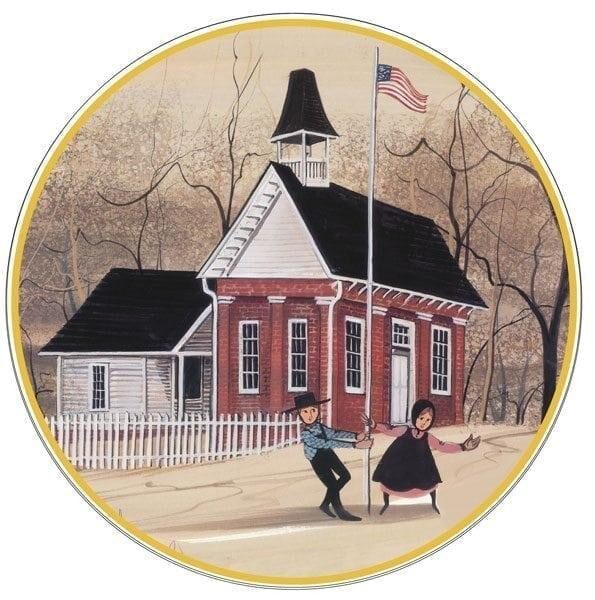
The little red schoolhouse has become an enduring symbol of shared learning and community responsibility. In ornament form, it becomes a keepsake, the kind brought out year after year with the memories attached. It speaks to teachers, former students, and families who understand that the places where we first learn often remain among the places we remember most tenderly.
“A child begins to believe in possibility when a teacher first believes in the child.”
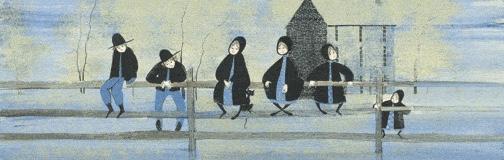
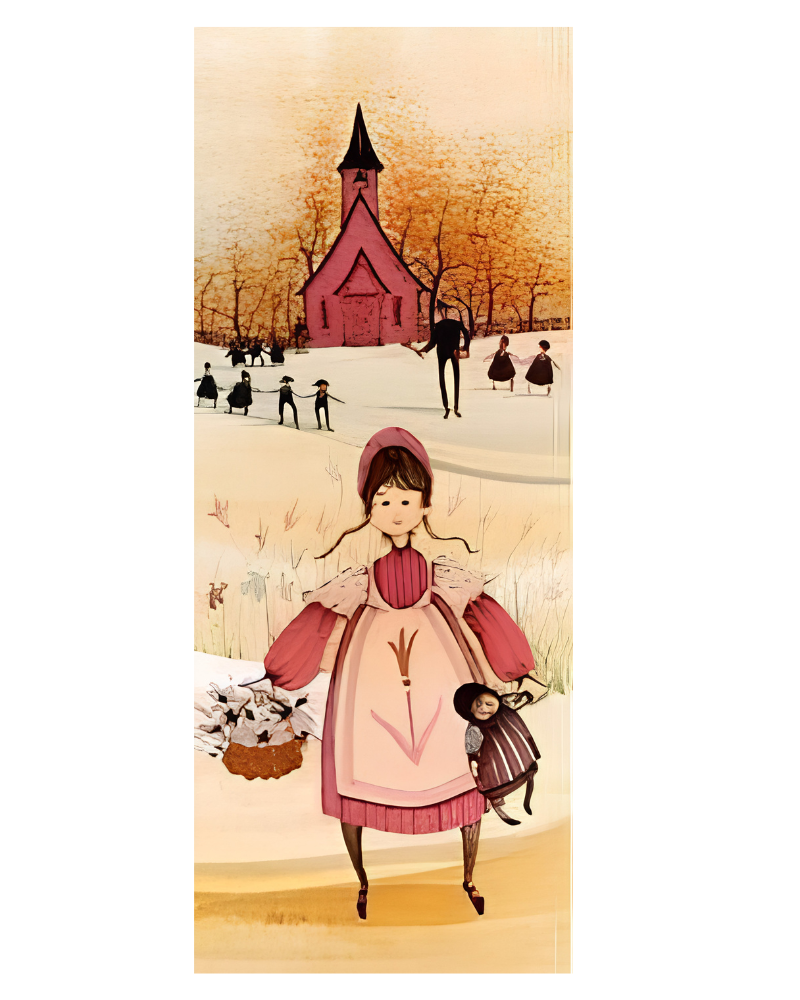
Pat’s First Love embodies P. Buckley Moss’s devotion to education and to children whose gifts may emerge in ways a traditional classroom does not immediately recognize. It honors the teachers who look beyond a single method, listen carefully, and find the path that allows a child to understand and be understood.
Published in 2005 as the first print created to benefit the P. Buckley Moss Foundation for Children’s Education, the work transforms Moss’s personal belief into a larger promise: learning differently should never mean being valued less. For collectors, its meaning reaches beyond the image. It represents compassion made practical through art, education, and teachers who care enough to see the whole child.
“Before we learned the day’s lesson, we learned how to wait together.”
The school bus stop was its own small classroom. There, children learned friendship, patience, pecking order, weather, and precisely how late they could leave the house without missing the bus. This artwork brings back chilly mornings, heavy book bags, and the familiar yellow shape appearing down the road. It is a portrait of anticipation and the everyday rituals that quietly knit childhood together.
“Long after the classroom emptied, a teacher was still preparing a place for every child to return.”
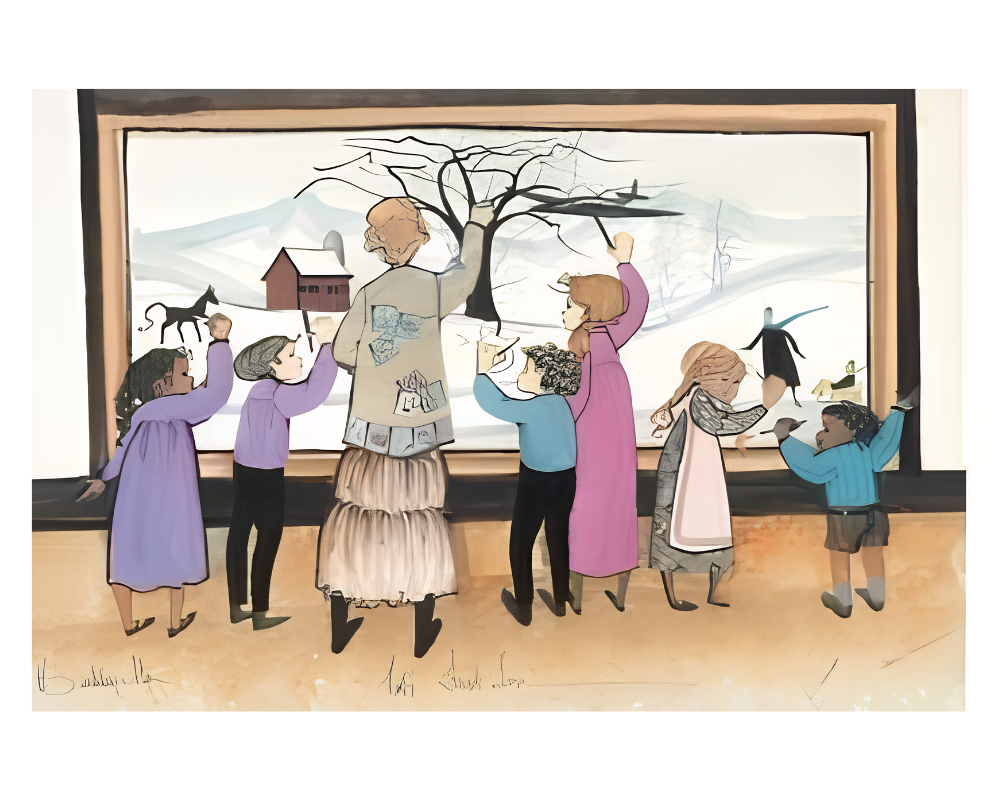
A teacher’s influence is built through work students rarely see: planning, preparing, adapting, worrying, and trying again. Teacher’s Work Day honors that unseen devotion. It reminds us that a welcoming classroom does not simply happen. It is created by someone who has considered who will enter, what each child may need, and how learning can become both challenge and invitation.
“We arrive as students, but tradition teaches us that we are joining a story already in progress.”
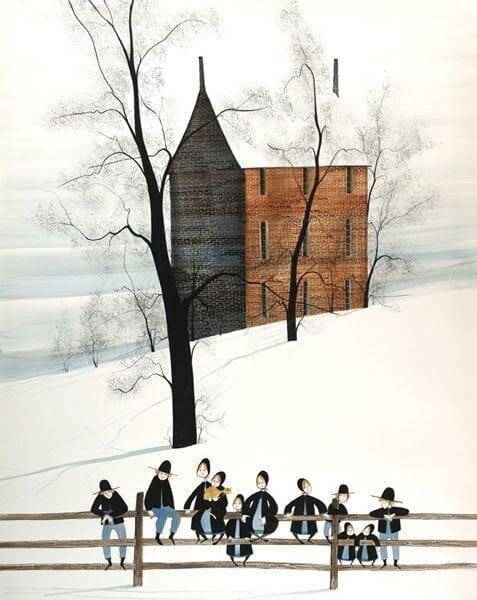
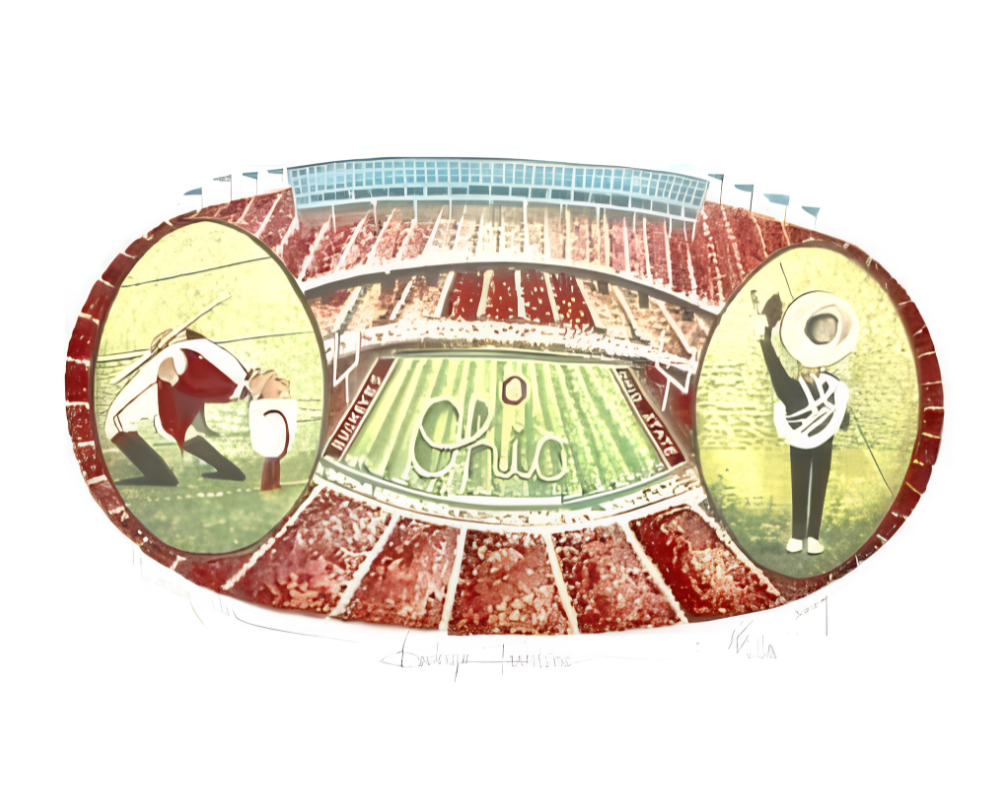
Buckeye Tradition celebrates the powerful sense of belonging that grows around a university. Campus rituals connect new students with generations who walked the same paths before them. The work evokes pride, shared identity, and the realization that education is not only personal advancement. It is also an invitation to become part of a larger community and help carry its story forward.
“In an old place of learning, every new student brings a future its founders could not have imagined.”
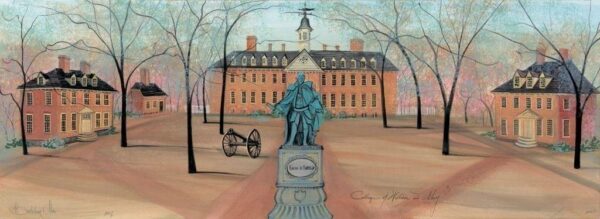
Historic campuses hold an extraordinary tension between memory and possibility. Their buildings preserve the past while their students continually redefine what comes next. This work speaks to scholarship, continuity, and the humbling awareness that learning stretches across generations. In a home, it can honor an alma mater, a family achievement, or the enduring belief that education expands both opportunity and responsibility.
“Years later, one familiar building can return an entire season of life to us.”
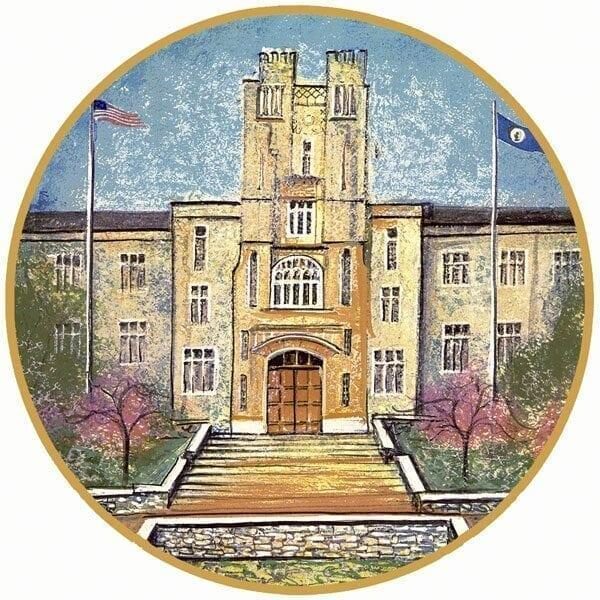
A campus landmark becomes more than architecture once it holds the memory of arrival, effort, friendship, and farewell. This ornament turns Burruss Hall into a personal keepsake, especially meaningful for graduates and families who remember the first move-in day and the last walk across campus. It celebrates how a place becomes part of identity long after classes end.
“Education teaches us how to seek answers; wisdom teaches us which questions deserve our lives.”
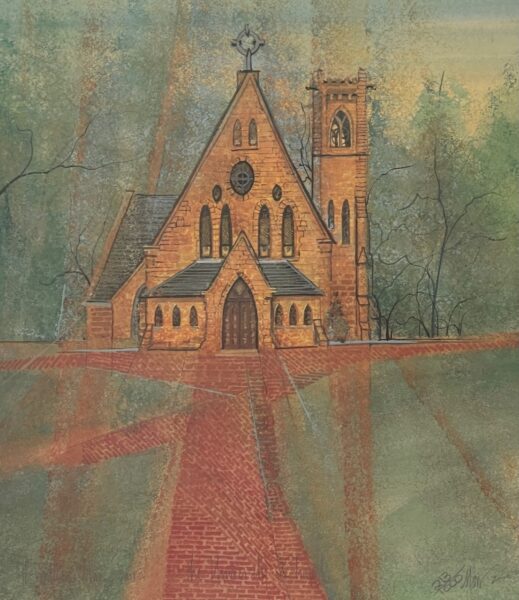
A university chapel represents the reflective side of learning: the pause between achievement and purpose, knowledge and wisdom, ambition and service. This artwork brings a sense of calm to the collection’s final chapter. It suggests that a true education should do more than prepare someone to make a living. It should help that person decide how to live.
The schoolhouse tells us where learning happened. The child walking toward it tells us why the story still matters.
Late August has a rhythm all its own. Summer light remains, but mornings feel different. Notebooks replace beach towels. Lunch boxes return to kitchen counters. Children lay out new clothes, wonder who will sit beside them, and listen for the bus or bell that announces a new beginning.
Our last collection celebrated the schoolhouse as the heart of a rural community. This time, the story shifts toward the child entering it. These P. Buckley Moss works remember the waiting, the courage, the boredom, the play, the teachers, and the moments of curiosity that made a school day feel enormous when we were small.
Together, they continue The Heart of Rural America through a shared experience that crosses generations. The classrooms change. The supplies change. Childhood’s mixture of hope and uncertainty does not. And every fall, some part of us still remembers the sound of that first bell.
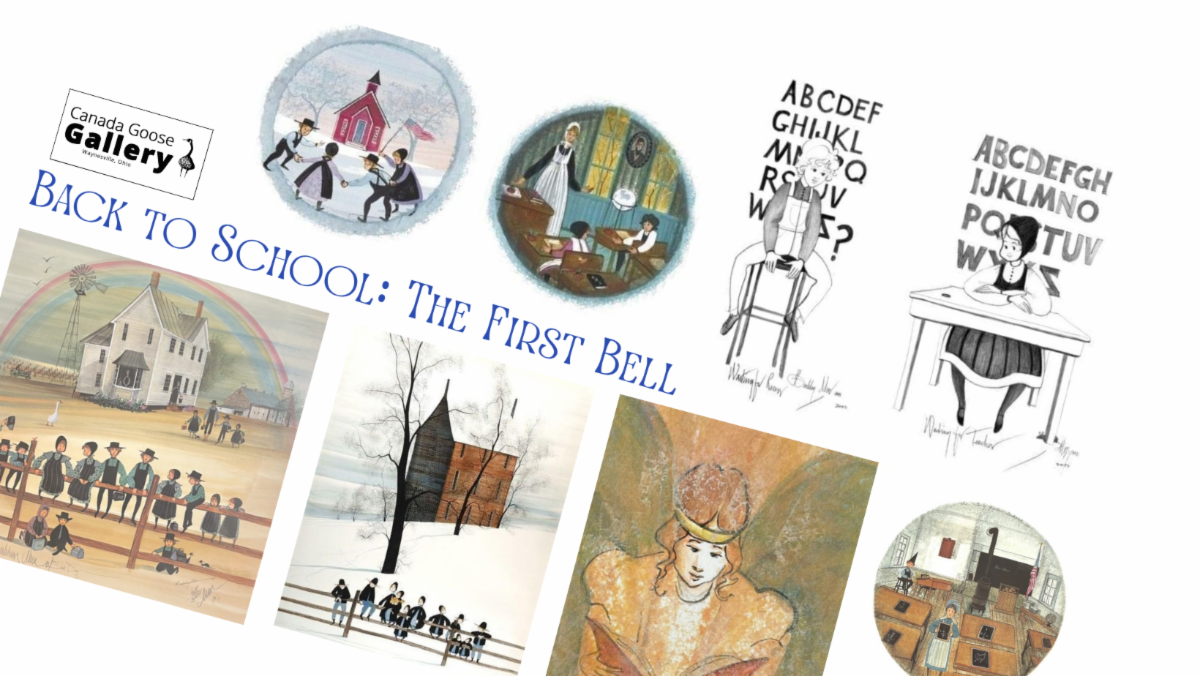
Back to School
“The first walk through the school door is a small act of courage that opens an entire year of possibility.”
The return to school begins before the first lesson: new shoes, carefully chosen supplies, a packed lunch, and the private hope that this year will bring a friend, a favorite subject, or a teacher who truly understands. Back to School holds that tender mixture of nervousness and excitement. It reminds us that every new beginning asks a child to be brave before knowing what waits inside.
“A little schoolhouse could hold a whole community’s faith in its children.”
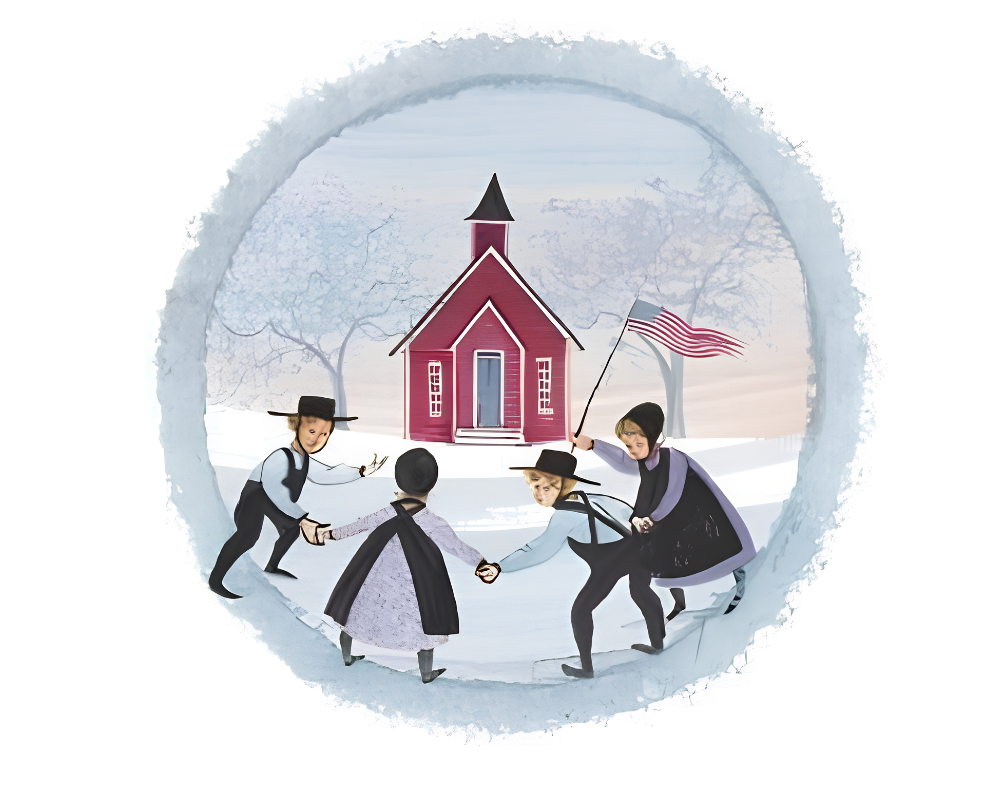
The little red schoolhouse represents more than a building. It recalls a time when learning, family, and community were closely woven together. As an ornament, it becomes a keepsake that can return with every holiday season, carrying memories of childhood classrooms and the belief that even the humblest place can enlarge a young life.
“Before the bell rang, friendship began beside the road in the cool morning air.”
The school bus stop was childhood’s daily meeting place. There were sleepy greetings, heavy book bags, changing weather, and the thrill of seeing the bus finally appear. This artwork brings back the routines that seemed ordinary then but feel precious now. It celebrates the journey toward learning and the friendships formed before anyone reached the classroom.
“Childhood remembers the feeling of the day long after it forgets the lesson written on the board.”
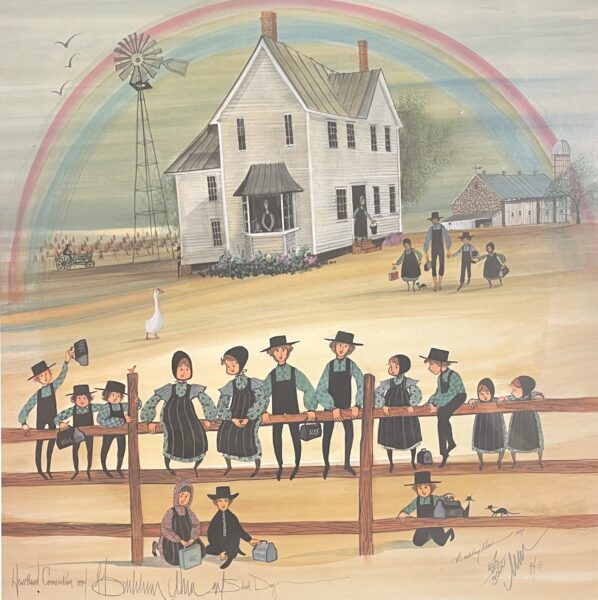
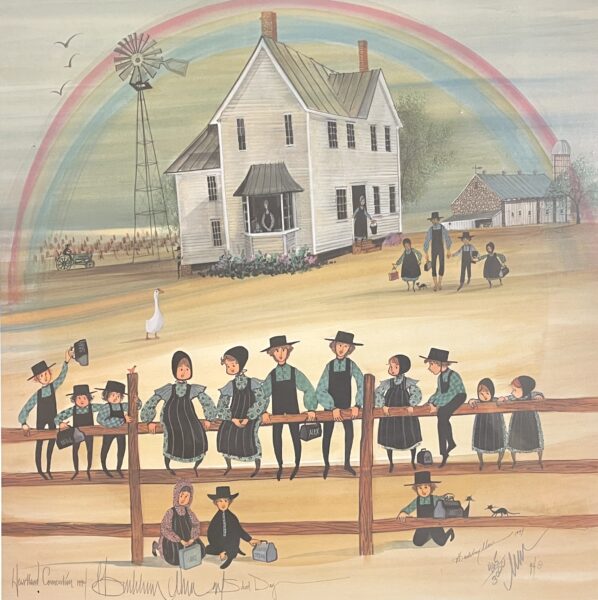
With children gathered outside a country school and a rainbow stretching across the rural landscape, School Day captures education as part of community life. The scene evokes belonging, guidance, and the bright possibility adults place in every new generation. It reminds us that school was never only about what children learned, but also where they first learned to stand among others.
“The bell did more than begin the day; it gathered many separate lives into one shared hour.”
School time gives childhood a rhythm: the morning bell, lessons and lunches, quiet work and whispered conversation. This piece recalls the reassuring structure of a day shaped by familiar rituals. In the wider story of rural America, it honors the school as a place where children learned not only facts, but also patience, responsibility, cooperation, and the comfort of returning tomorrow.
“A child waits for the teacher, not yet knowing that one caring adult may change the direction of a life.”
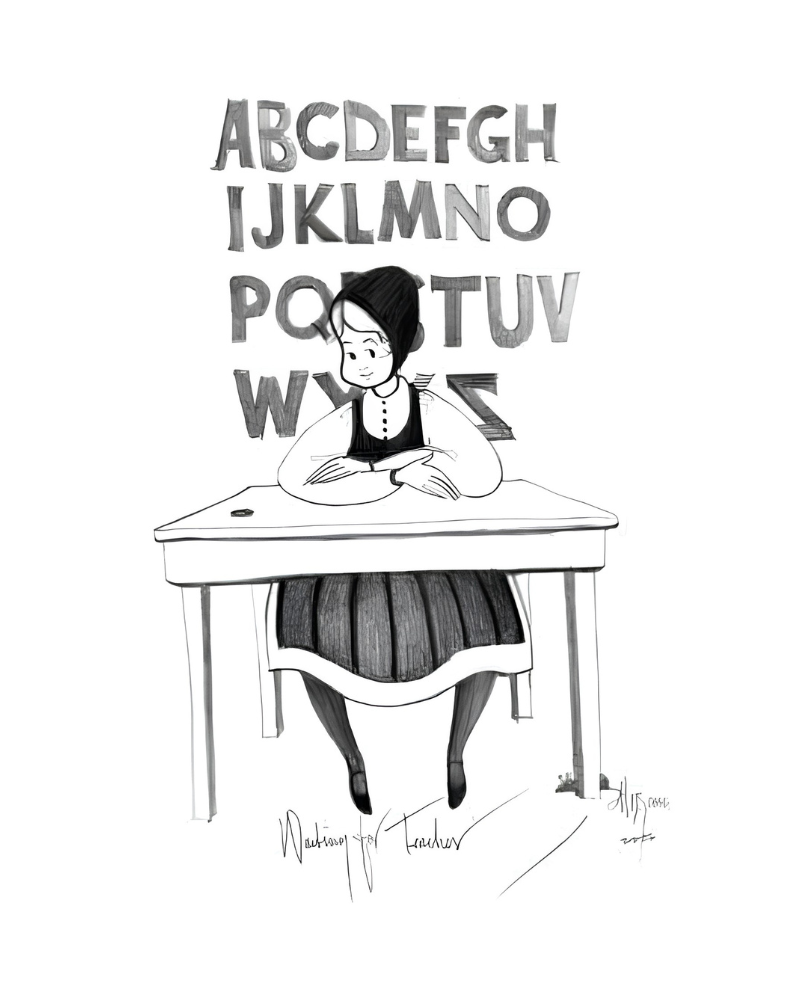
Before the teacher enters, the classroom holds a special kind of anticipation. The day has not yet declared itself. A question may be answered, a talent noticed, or a struggle finally understood. Waiting For Teacher gives emotional weight to that pause and honors educators whose attention can turn uncertainty into confidence and difference into possibility.
“The clock moved slowly, but beyond the classroom door the whole sky was waiting.”
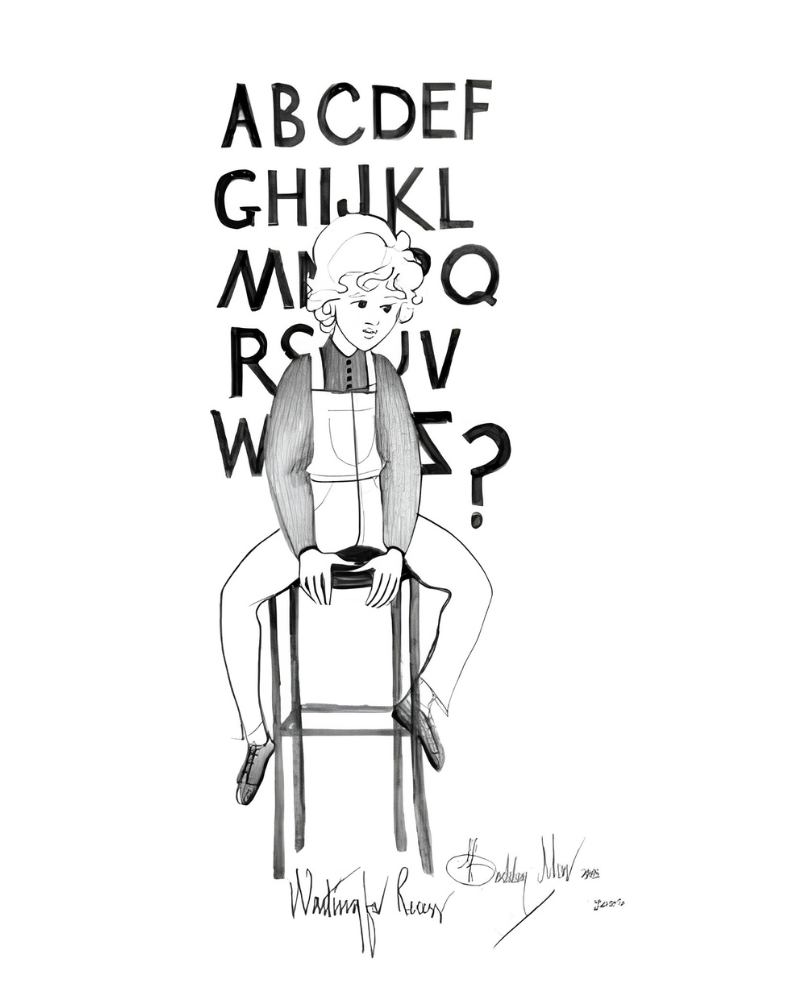
Every child knew the art of watching the clock without appearing to watch it. Recess promised open air, movement, games, and a few glorious minutes when imagination set the rules. This work adds playfulness to the collection while preserving an important truth: childhood learning happens at desks, but it also happens through friendship, freedom, negotiation, and play.
“Education gives a child roots in what is known and a string long enough to test the wind.”
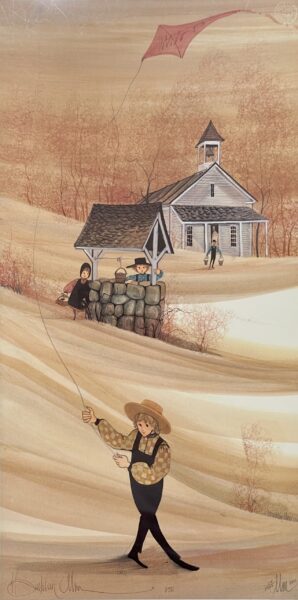
A kite rises only when someone is willing to let it move beyond easy reach while still holding on with care. Pink Kite brings that same balance to the story of childhood: freedom and guidance, curiosity and security. Its gentle sense of movement speaks to the joy of discovery and to every child learning how far imagination can carry them.
“The finest lessons are not merely remembered; they quietly become part of who we are.”
Some lessons end with the school day. Others follow us into adulthood, surfacing years later as judgment, courage, kindness, or curiosity. Today’s Lesson celebrates the patient process through which understanding grows. It belongs in this collection because education’s deepest value is rarely measured by a single answer. It is revealed in the person the student gradually becomes.
“A classroom is four walls until curiosity, effort, and kindness give it a life of its own.”
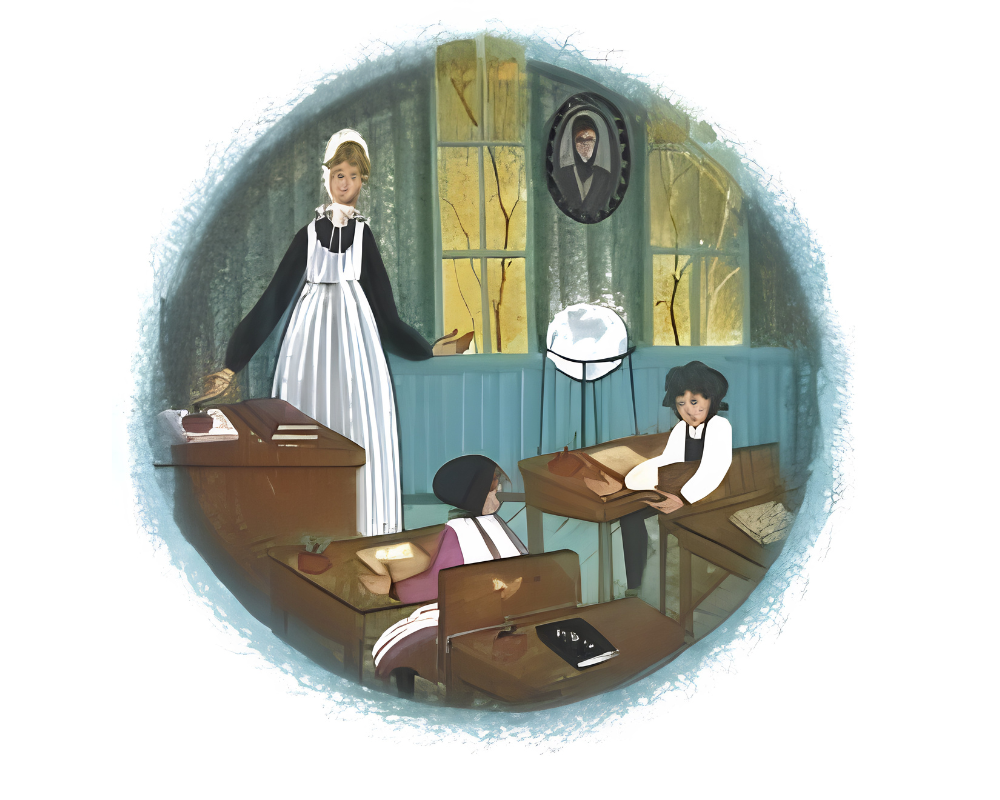
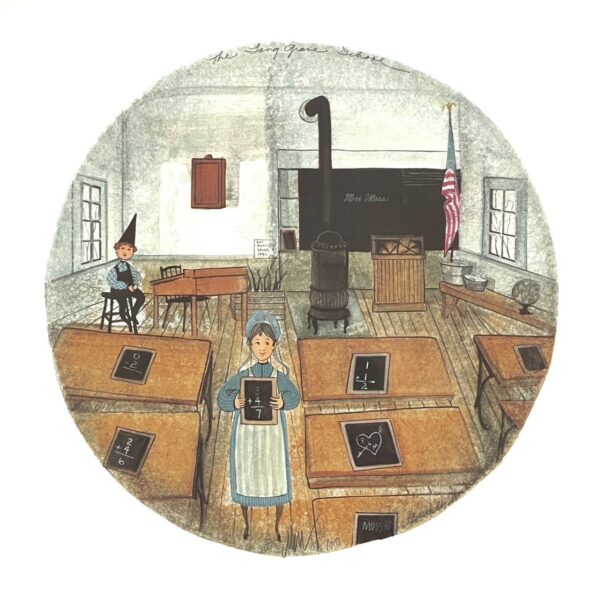
The school room is where many separate stories briefly share one space. Each child arrives with different strengths, fears, questions, and ways of seeing. This artwork invites us to remember the classroom not as an empty setting, but as a living community shaped by everyone inside it. On the wall, it honors education as a shared human experience.
“A scholar begins not with certainty, but with the courage to remain curious.”
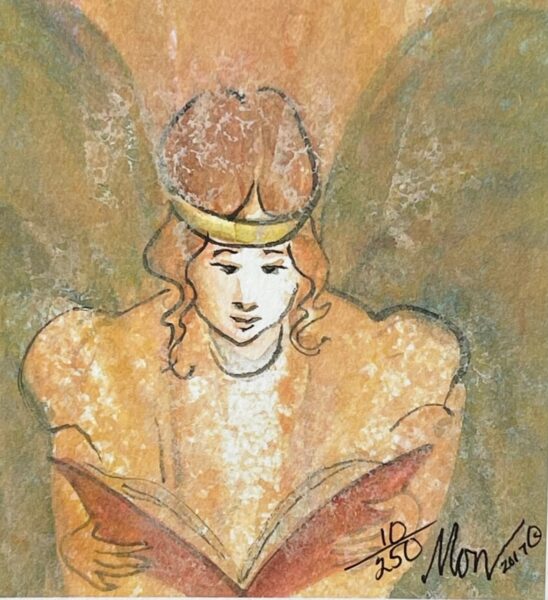
The Scholar turns attention inward, toward the individual child absorbed in thought and discovery. It celebrates concentration, imagination, and the private relationship a learner develops with knowledge. The piece feels especially meaningful for readers, teachers, students, and families who recognize that quiet curiosity can be every bit as powerful as outward achievement.
“September is the year’s second beginning: part harvest, part hope, and full of unfinished stories.”
September settles the school year into rhythm just as the countryside begins turning toward autumn. The air changes, routines take hold, and summer’s openness gives way to renewed purpose. This Artist Proof connects education to the seasonal life of rural America, where beginnings and harvests exist side by side and every fall carries both memory and promise.
“Some buildings disappear from the landscape yet remain standing in the memory of everyone who learned there.”
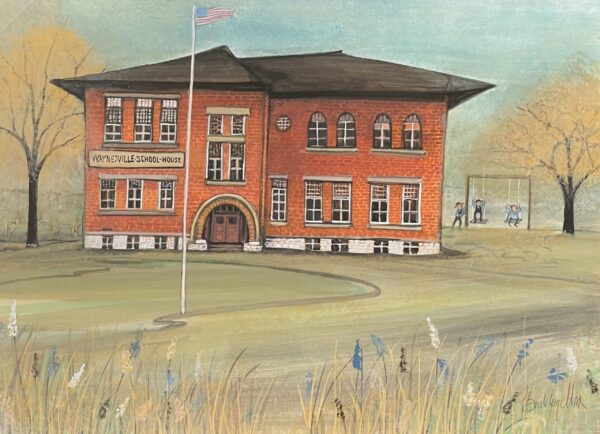
As the original-art highlight, The Old School House Painting brings the article back to the place that held all these childhood moments. The schoolhouse represents first lessons, first friendships, mistakes corrected, talents discovered, and the daily work of becoming.
An original painting offers a singular connection to Moss’s hand and creative process. Here, that intimacy deepens a subject already rich with collective memory. The work does not merely portray an old building. It preserves the emotional architecture of education: shelter, invitation, discipline, imagination, and hope.
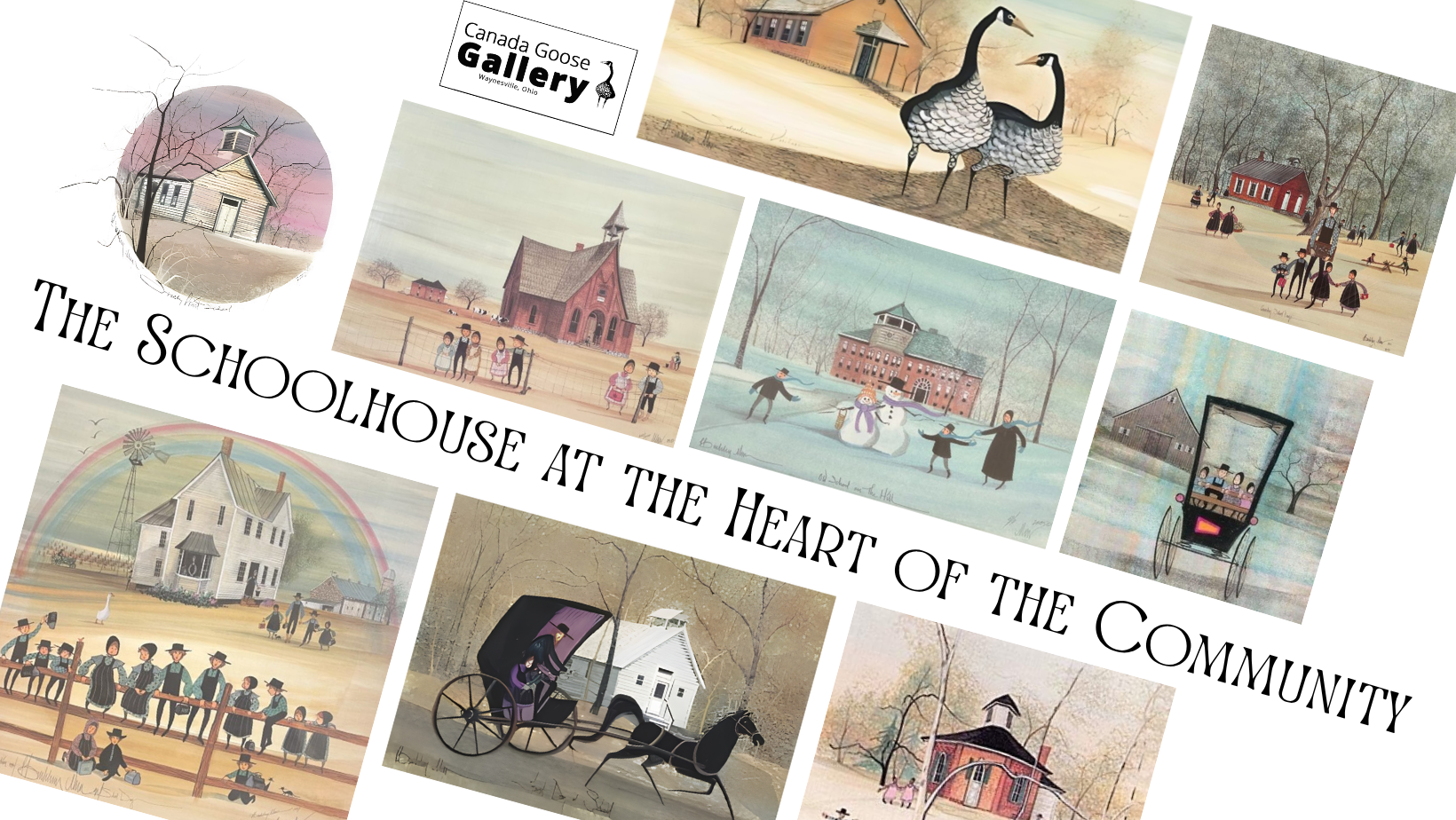
Before education became a system, the schoolhouse was a gathering place.
There was a certain kind of excitement in the air before the first day of school. New pencils waited in a clean box. Shoes felt a little too stiff. Lunch was packed before breakfast, and a child might walk down a country road wondering who would sit beside them and whether the teacher would be kind. Years later, those tiny details are often what we remember most.
In rural America, the schoolhouse held far more than desks and lessons. It was where children learned their letters, neighbors gathered for programs and meetings, friendships began, and a community imagined what its next generation might become. The building might have been small, but its place in the life of a town was enormous.
This next chapter of The Heart of Rural America celebrates school bells, well-traveled paths, patient teachers, childhood mischief, and the places that taught us how to belong. No pop quiz required.
School Day
“The first lesson of every school year was learning where we belonged.”
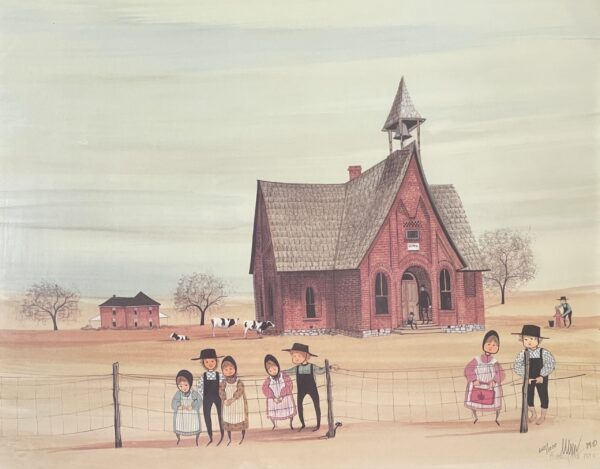
With children gathered outside a country school and a rainbow stretching above the farm landscape, School Day is the natural anchor for this collection. It carries the bright anticipation of a new beginning and the comfort of a community that knows its children by name. On the wall, it speaks of hope, guidance, and the belief that every child deserves a place to learn and be welcomed.
“Reading, writing, arithmetic…and keeping one eye on the lambs.”
This rural school scene brings learning and farm life into the same warm story. Children and lambs recall a childhood when the natural world was never far from the classroom door. The piece evokes innocence, curiosity, and the practical rhythm of growing up close to the land. In a home, it honors the kind of education shaped by books, chores, animals, family, and community all at once.
“A little schoolhouse could hold a whole community’s hopes.”
Heartland School says plainly what this collection means: education belonged at the center of community life. A modest school could become the place where children discovered a wider world without losing their connection to home. This artwork evokes trust, roots, and possibility. Displayed in a family room, library, or study, it suggests that progress begins when a community chooses to invest in its children.
“The walk uphill always felt longer on Monday morning.”
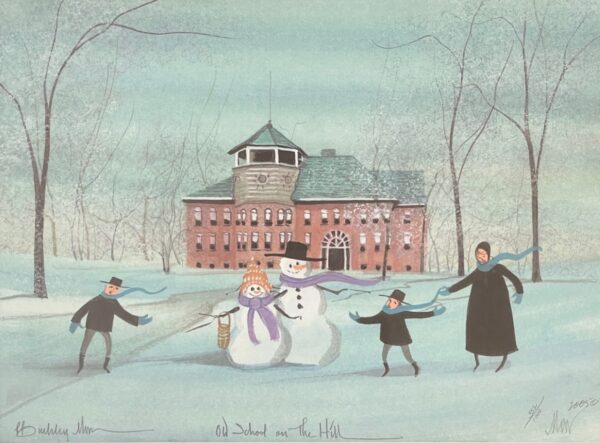
Every town seemed to have a building known by where it stood: the church by the crossroads, the mill beside the stream, the school on the hill. This work carries the feeling of a familiar destination seen from a distance, filled with equal parts duty and promise. It brings remembrance into the home and honors the humble places that can become permanent landmarks in a child’s memory.
“Some lessons fade. The room where we learned them never quite does.”
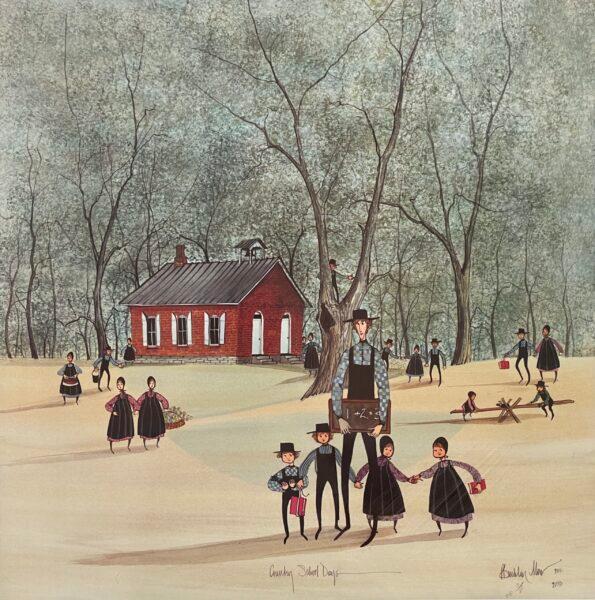
An old schoolhouse can awaken memories even in someone who never entered its doors. Its simple form represents first readers, chalkboards, recitations, friendships, and the patient work of learning. The painting evokes heritage and continuity, giving a home the quiet message that knowledge is part of what one generation builds and hands to the next.
“The bell called the children to class and the neighbors to one another.”
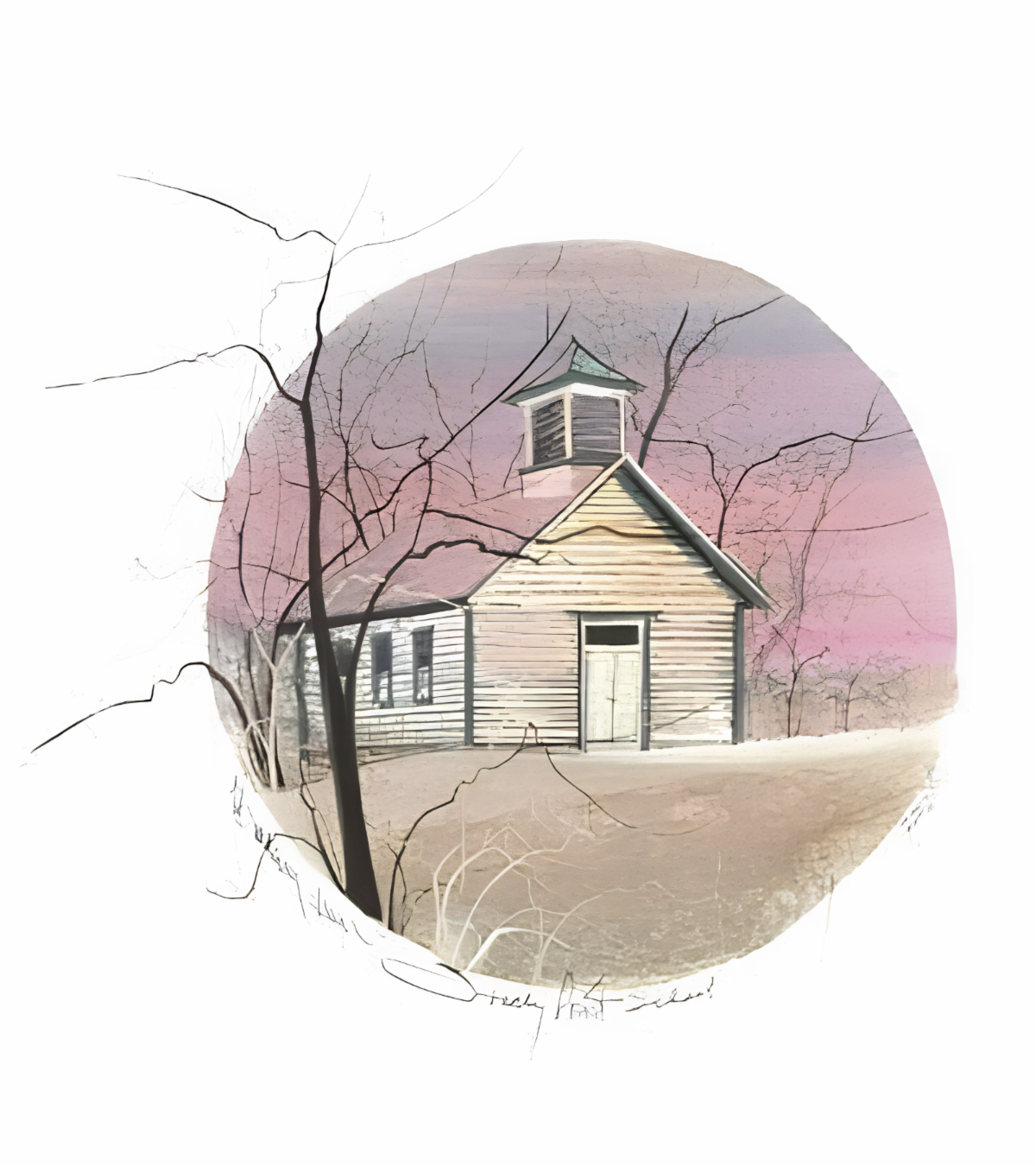
A named school becomes part of a place’s identity. Stoney Point School feels rooted in a particular community, carrying the history of the families who passed through it and the teachers who helped shape them. The work evokes belonging and local pride. On a wall, it honors the idea that a community’s story is preserved not only in grand monuments, but in the everyday buildings people shared.
“Not every visitor remembered to raise a wing before speaking.”
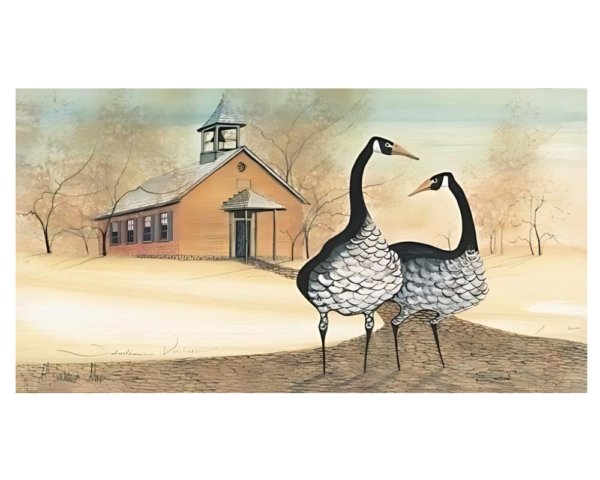
Geese bring a touch of humor and life to the schoolhouse landscape, reminding us that a rural classroom was always part of the wider natural world. The scene blends learning, place, and wildlife with Moss’s gentle storytelling. It evokes curiosity, calm, and affection for the unexpected visitors that make an ordinary school day memorable.
“The road to school had traffic, although some of it had four legs.”
Children, school, cattle, and a familiar Indiana route come together in a portrait of learning woven into working rural life. The journey matters here as much as the destination. This artwork evokes adventure, independence, and memories of a childhood measured in roads walked and landmarks passed. In a home, it celebrates a sense of place and the stories hidden along ordinary routes.
“Getting there was half the education and most of the adventure.”
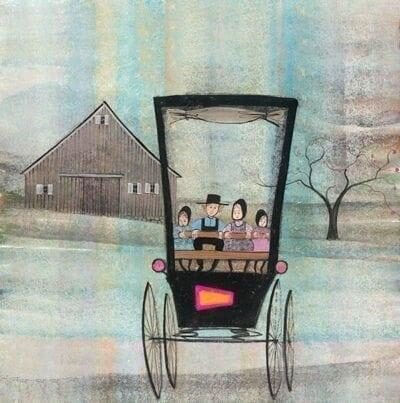
Ride to School captures the journey before the lesson begins, when transportation itself could become part of the day’s story. The piece connects children, movement, and rural ingenuity with a sense of cheerful purpose. It evokes freedom, friendship, and the small adventures that later become family stories told again and again.
“A brave face, a packed lunch, and one last look back toward home.”
The first day of school is a tiny act of courage for both child and parent. With its rural setting and horse, this artwork places that universal milestone firmly within the life of the countryside. It evokes tenderness, anticipation, and the moment a child takes one more step into the wider world. On the wall, it speaks to new beginnings and the loving roots that make them possible.
Celebrating the people, work, and traditions that shaped rural life.
“The land feeds us, but the people who care for it shape our character.”
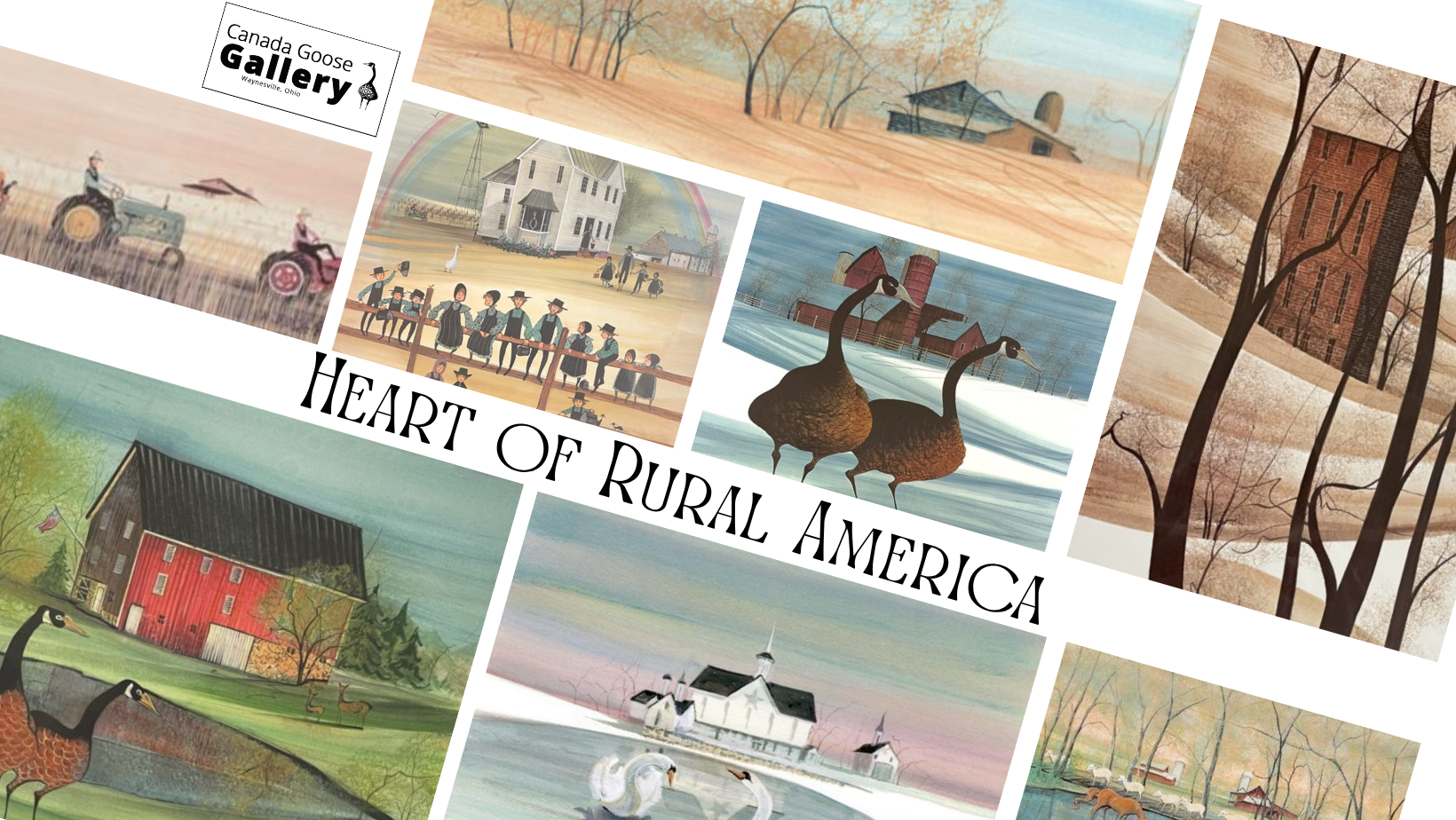
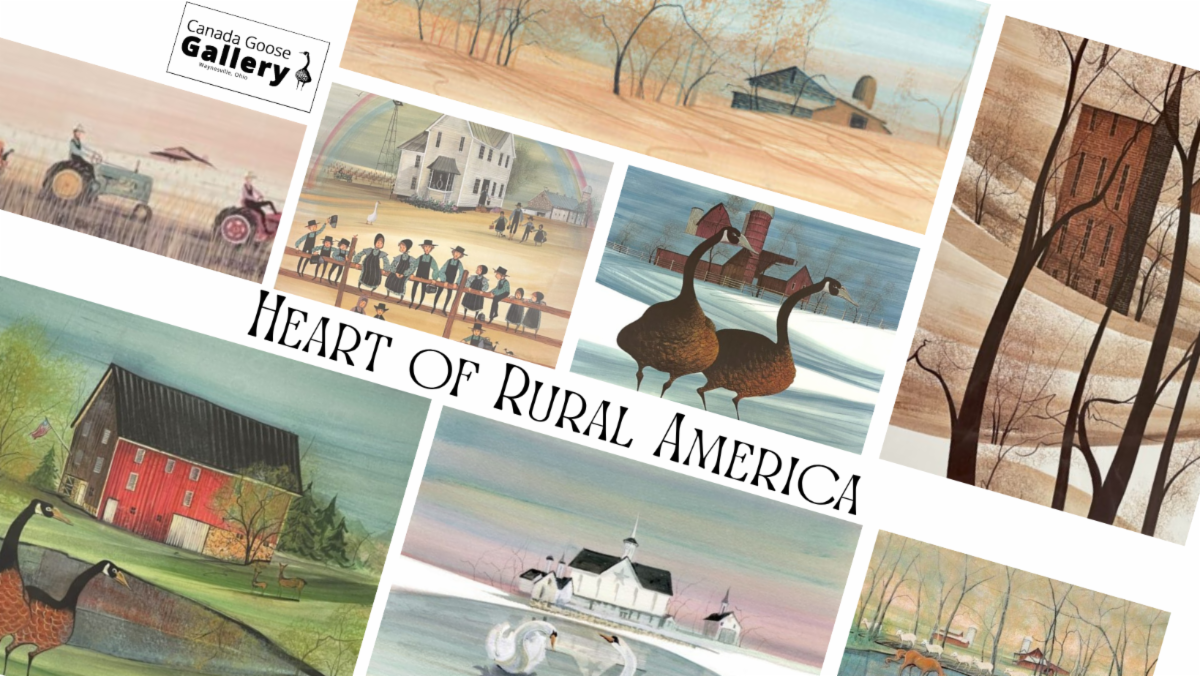
Over the weeks ahead, Canada Goose Gallery will unveil a series of thoughtfully curated art collections—each created to help collectors discover P. Buckley Moss artwork through the stories, places, values, and emotions that connect us.
We begin with The Heart of Rural America, a collection rooted in the quiet strength of the countryside. These works celebrate more than barns, fields, tractors, and farmhouses. They honor the people who cared for the land, the families who built their lives around it, and the traditions that turned ordinary work into a lasting way of life.
There is something deeply familiar in these scenes: the road home at the end of the day, the silhouette of a barn against the changing sky, children gathering at a country school, and neighbors proudly preserving the machines that once worked their fields. Together, they remind us that rural America is not only a place. It is a character shaped by stewardship, perseverance, belonging, and memory.
Heading Home
“Home is not simply where the day ends. It is where everything familiar waits for us.”
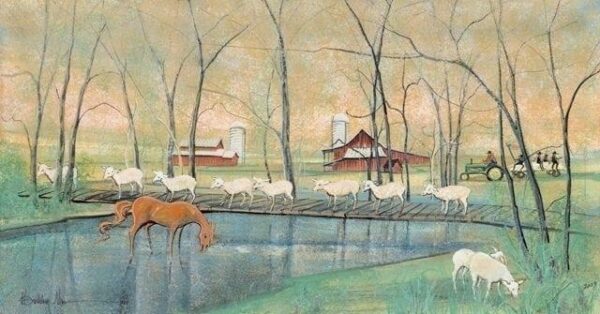
A flock of sheep making its way across the countryside gives Heading Home its gentle sense of movement and return. The surrounding farm, pond, barns, silos, horse, and distant tractor create a landscape shaped by routine rather than hurry—a place where every animal, person, and season seems to know its role. This artwork belongs in the collection because it reflects the dependable rhythms that have sustained farm life for generations. In a home, it speaks of peace, belonging, and the comfort of knowing where one is meant to be.
“At day’s end, the countryside grows quiet—but never empty.”
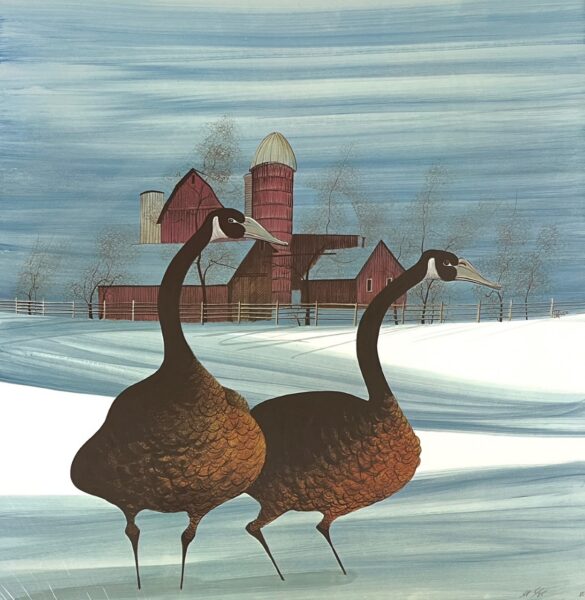
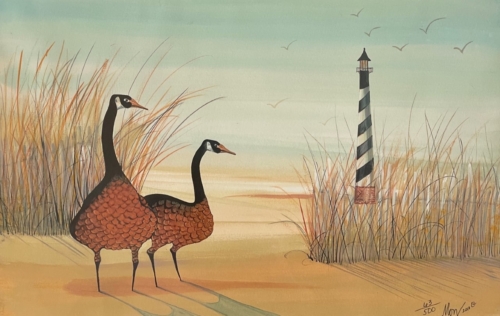
Two Canada geese stand prominently before a snow-covered farm, giving this piece a sense of watchfulness, dignity, and calm. Its place in the collection comes from the relationship between cultivated land and the wildlife that shares it. The work evokes loyalty, stillness, resilience, and respect for the natural world. Displayed in a home, it suggests an appreciation for quiet strength—the kind that does not announce itself, but remains steady through changing seasons.
“The countryside does not hurry from one season to the next. It teaches us how to let go.”
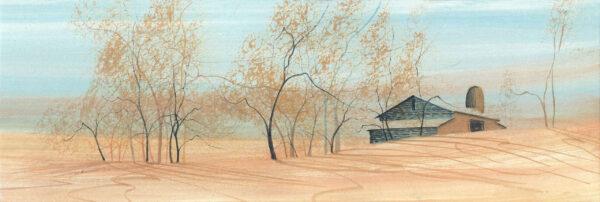
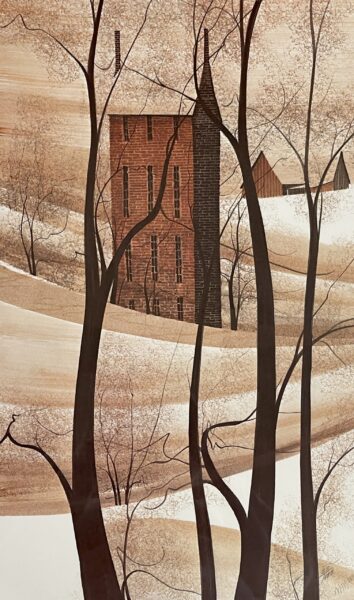
A rural barn rests among slender trees and softly changing fields. Its restrained palette and expansive sky capture the hushed transition between the abundance of harvest and the stillness of winter. This work belongs in The Heart of Rural America because the agricultural year has always been measured by seasons—planting, growing, gathering, and resting. On the wall, it brings a quieter rhythm into the room and speaks of a home where simplicity is valued, memories are kept, and each season is allowed to have its time.
“The richest days are often the quiet ones—the barn in the distance, the water at rest, and nowhere else we need to be.”
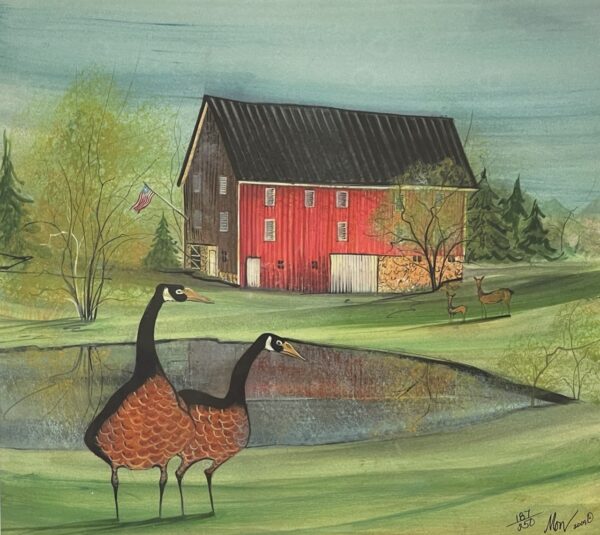
Canada geese, water, farmland, and an American flag come together in one peaceful countryside composition. The artwork reflects a rural life defined not only by labor, but also by moments of pause. It evokes peace, gratitude, loyalty, and an appreciation for the land as both workplace and home. Displayed in a family room, entryway, or gathering space, it communicates that the home values steadiness, natural beauty, and the traditions that connect one generation to the next.
“Some buildings hold more than shelter. They hold the memory of the hands that raised them.”
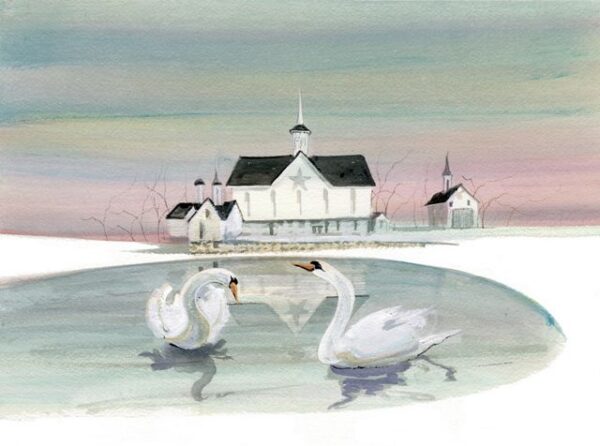
The historic Star Barn rises beyond a still winter pond as two swans glide across the foreground. Its distinctive architecture and quiet setting give the scene both historical presence and contemplative beauty. This artwork belongs in the collection because barns are among the most enduring monuments to American agricultural life. In a home, it conveys respect for history and an understanding that beauty is often found in structures designed first to serve a practical purpose.
“A home becomes a legacy when its stories are carried from one generation to the next.”
Framed by tall winter trees, the brick home in Golden Homestead appears both dignified and welcoming. Its vertical composition draws the eye toward the house while the surrounding snow and open landscape create an atmosphere of calm, shelter, and continuity. On the wall, it says that home is more than décor or architecture. It is the place where traditions are practiced, family histories accumulate, and ordinary days become the memories people carry forward.
“Before schools became buildings in a system, they were gathering places at the heart of a community.”
Children and their teacher gather outside a traditional rural schoolhouse beneath a softly arched rainbow. The surrounding fence, open fields, windmill, and distant farmland place learning within the life of the broader community. The scene evokes childhood, hope, belonging, and the promise carried by each new generation. Displayed in a home, classroom, library, or study, it expresses a belief in learning, guidance, and the lasting influence of the people who help children find their way.
“What once worked the fields becomes part of the story a community proudly carries forward.”
A procession of restored tractors moves across the countryside beneath the American flag. The panoramic composition turns these machines into a moving celebration of farm families, hometown gatherings, and agricultural heritage. The piece evokes pride, celebration, legacy, and community. In a home, it says that useful things can also become meaningful things—and that traditions remain alive when younger generations are invited to take part.
The Heart of Rural America reminds us that the character of a place is built slowly. It grows through work repeated season after season, buildings maintained across generations, children taught by their communities, and traditions preserved because someone believed they were worth carrying forward.
These artworks bring the rural story into the home through scenes of return, reflection, learning, stewardship, and celebration. Whether they awaken memories of a family farm or simply express a longing for a more grounded way of life, each one offers something familiar: the feeling that home is shaped not only by where we live, but by what we value.
In the weeks ahead, Canada Goose Gallery will continue unveiling collections that bring together the enduring themes found throughout the artwork of P. Buckley Moss. Each collection will offer a new way to discover meaningful works—not simply by subject, but through the stories, emotions, and traditions that speak to our souls and gently bring us back home.
Summer is not one color. It is a whole joyful palette: green leaves, coral sunsets, pink flowers, golden light, red blooms, and blue skies that seem to stretch forever. It is the season when color feels alive, and art has a way of holding that brightness long after the day is gone.
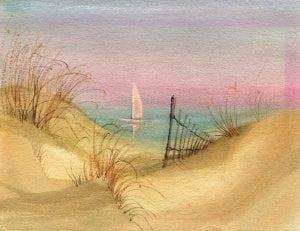
In the art of P. Buckley Moss, summer appears in quiet reflections, sandy dunes, sunny buildings, colorful dresses, garden flowers, and morning skies. Each piece carries a different part of the season: the coolness of green, the warmth of orange, the tenderness of pink, the energy of red, the calm of blue, and the golden happiness of sunlight.
This second summer collection is a celebration of color itself: bright, hopeful, playful, and full of life.
Red brings the season’s warmth and boldness. Green offers calm, shade, and renewal. Pink feels both fierce and gentle. Orange carries the glow of sunset and optimism. Blue cools the spirit with sky and water. Golden yellow is pure sunshine.
“How lovely yellow is! It stands for the sun.” Vincent van Gogh
“The scarlet poppies stand erect and tall, color that burns as if no frost could tame.” Celia Thaxter
Summer Reflection
A reflective summer scene warmed by the boldness of red, reminding us that the season can be both peaceful and full of color.
“Anything is possible with sunshine and a little pink.” Lilly Pulitzer
Bodie
With a pink summer frame, this piece feels cheerful, bright, and full of personality, a playful reminder that art can bring softness and joy into a room.
If your summer plans bring you to Waynesville, Ohio, we would love to welcome you to Canada Goose Gallery. Our gallery is proud to offer the largest collection of P. Buckley Moss rare art, along with meaningful pieces for collectors, gift-givers, and anyone who loves art with warmth and heart.
Come visit the gallery, call with questions, or let us help you find a piece that brings the colors of summer into your home.
Bring More Art into Your Inbox from Canada Goose Gallery
🖼️ Join our collector circle for early access to exclusive P. Buckley Moss artwork, seasonal gifts & highlights, and behind-the-scenes gallery stories to warm your home.